Renewable Energy: Eco-Friendly Applications
How solar panels, wind turbines and hydroelectric plants produce clean energy, and why these renewable sources matter for a sustainable future.
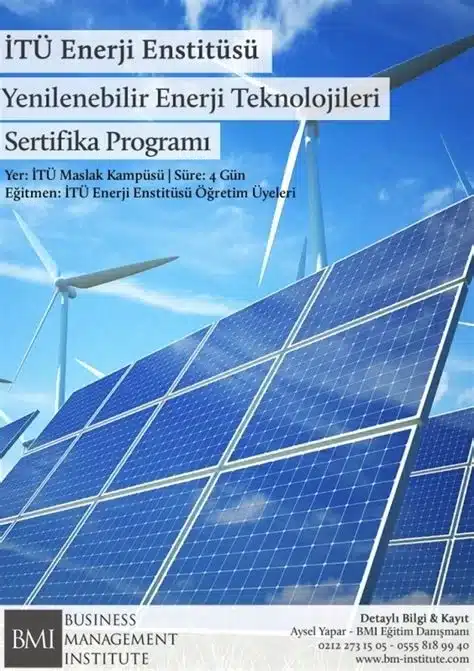
Meeting the world’s growing energy demand with sustainable, eco-friendly methods has become one of the biggest challenges of our time. In this context, renewable energy technologies both help protect natural resources and deliver economic benefits over the long term. Clean energy sources such as solar, wind and hydroelectric power in particular offer promising alternatives to the environmental damage caused by fossil fuels. In this post, under “Solar energy: How is it used?” we look at how we can benefit from the sun’s limitless energy; in “Wind energy: How it works and its advantages” we explain how the power of the wind is turned into electricity and the advantages that brings; and in “Hydroelectric energy: Eco-friendly power generation” we cover how the power of water can be used in harmony with nature. Throughout, we examine in detail how renewable energy technologies work and how, together with their eco-friendly applications, they can shape our future.
Renewable Solar Energy: How Is It Used?
Solar energy is a limitless, clean energy source for our planet. Captured through solar panels, it can be used at both household and industrial scale. The first step in using solar energy is to install solar panels in an area that receives plenty of sunlight. These panels capture the sun’s rays and convert them directly into electricity.
Choosing where to install solar panels is very important for energy efficiency. Automatic tracking systems that follow the sun’s position and adjust the panels’ angle capture as much sunlight as possible and increase energy output. At home, panels installed on the roof or in the garden make a significant contribution to the family budget by lowering electricity bills.
The maintenance of solar energy systems is also quite simple. Solar panels are durable and can operate in almost any climate. Regular cleaning and inspection are enough to keep them efficient. Holding an important place among renewable energy sources, these systems stand out as an eco-friendly alternative.
As technology advances, solar panel efficiency keeps increasing while costs keep falling. This further increases interest in solar energy and its accessibility. Expanding the use of solar energy is very important for a sustainable, ecological future.
Renewable Wind Energy: How It Works and Its Advantages
Wind energy is becoming increasingly popular around the world as a sustainable, renewable energy source. The way it works is essentially simple: wind turbines convert the kinetic energy of the wind into electricity. Providing a reliable, steady flow of energy over the long term, wind turbines are produced in various sizes and capacities to suit different needs.
Another important advantage of using wind energy is that it consumes no fuel and therefore releases no harmful emissions into the atmosphere. This makes wind energy stand out as an eco-friendly alternative. And although wind energy’s upfront costs are high, its low operating and maintenance costs make it a cost-effective option in the long run.
Another benefit is that wind energy projects are usually built in underused areas such as rural land or offshore. This makes efficient use of land and reduces pressure on land set aside for people and agriculture. By creating local jobs, this type of energy also contributes to the economy and is becoming an important tool for regional development.
In conclusion, thanks to both how it works and its many advantages, wind energy continues to take a growing share of energy production worldwide. Beyond the wider acceptance of renewable energy sources, it plays a vital role in the fight against climate change and contributes to the goal of leaving a more livable world to future generations.
Renewable Hydroelectric Energy: Eco-Friendly Power Generation
Hydroelectric energy converts the potential energy of water into electricity, offering a renewable energy source with zero emissions. By preventing the spread of harmful waste into the environment, this process makes an important contribution to protecting our living spaces. Generating electricity from the power of water with dams built on water resources reduces our dependence on fossil fuels while revolutionizing eco-friendly power generation.
Although the way hydroelectric power plants work is quite simple, they are feats of engineering. Instead of being released into nature uncontrolled, the water stored behind dams is turned into energy through turbines. The rotation of these turbines drives generators that produce electricity, serving us as a sustainable energy source. Hydroelectric power also plays an important role in the fight against climate change and reduces our carbon footprint.
Türkiye’s mountainous terrain and abundant water resources provide a major advantage in terms of hydroelectric energy potential. With growing investment in renewable energy sources, hydroelectric power plants have also gained importance. Holding an important place among renewable energy sources, hydroelectric power not only contributes to energy security but also supports economic development.
The environmental impact of hydroelectric power plants is quite low compared with other energy sources; however, care must be taken to protect natural habitats and ecosystems during their construction. When these plants are built and operated, environmental protection measures should be taken to maintain the balance of natural life. This way, an eco-friendly, sustainable approach to energy production is adopted.
Frequently Asked Questions
Why are renewable energy technologies important?
Compared with fossil fuels, renewable energy technologies cause less harm to the environment, make it possible to produce energy from sustainable sources and provide energy security and independence.
How is solar energy used and what are its advantages?
Solar energy is collected through solar panels and converted into electricity. It is renewable, limitless and eco-friendly, has low operating costs and helps reduce the environmental footprint.
How does wind energy technology work?
Wind turbines convert the wind’s kinetic energy into mechanical energy and then, through generators, into electricity. No harmful emissions are produced in the process.
What are the advantages of wind energy?
Wind energy is a renewable, clean and sustainable energy source. As its use spreads, it can lower energy costs and contribute to diversity in energy production.
What is hydroelectric energy and how does it provide eco-friendly power generation?
Hydroelectric energy is produced by converting the potential energy of water into electricity. It works by using the natural water cycle and significantly reduces the release of harmful gases into the atmosphere.
What are the environmental effects of renewable energy technologies?
Renewable energy technologies reduce the carbon footprint and greenhouse gas emissions, improve water and air quality and help protect natural resources.
Are there comparative advantages among renewable energy sources?
Yes. For example, solar installation costs keep falling, while wind energy is generally more effective in large open areas. Hydroelectric energy has the advantage of providing a continuous, predictable flow of energy.


