The Relationship Between Robotic Technology and Architecture
How robots are changing architectural design and construction, the advantages of robotic building and how to bring robots into your projects.
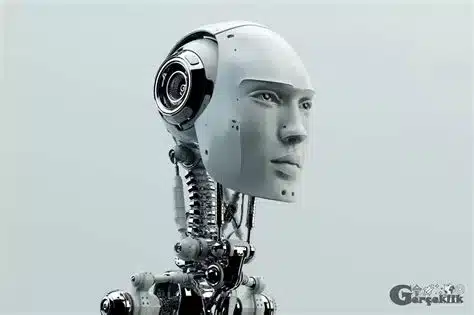
Architecture is a constantly evolving discipline that shapes the spaces where people live. With today’s technological advances, innovative approaches and tools are emerging in architecture as well, and robotic technology in architecture is leading these innovations.
So how does robotic technology relate to architecture, and what does this synergy promise? In this post, we look at the role robots play in design processes, the advantages of buildings constructed with robots and what needs to be done to bring robots into architectural projects. As we examine in depth how this digital revolution is transforming our design principles and practices, we focus on how the buildings of the future can become smarter, more efficient and more sustainable.
Design processes with robotic technology
Design processes carried out with robots have created a major revolution in architecture and engineering in recent years. The ability of robots to execute designs that require complex geometries and special properties quickly and without error has made them indispensable assistants. The advantages of robotic technology are especially clear in work that is difficult and time-consuming to do by hand.
From the perspective of architectural design, designing with robots takes core principles such as aesthetics, functionality and sustainability to a higher level. Thanks to robotic arm technology and AI integration, design processes offer efficiency and accuracy along with limitless creative possibilities, which encourages innovative approaches in architecture.
Robotic technology has opened new horizons for engineers and designers, particularly when working with specialized building materials. 3D printing with robotic arms, for example, allows even traditional materials such as concrete to take on unusual forms, pushing the boundaries of architecture. This brings innovative solutions not only to design but also to construction, and it is leading groundbreaking change in that field too.
Another important advantage of designing with robots lies in sustainability. Using robots can minimize material waste and optimize energy use. The speed and precision of robots also make it possible to complete projects faster than expected, which means savings in time and money. In short, design processes carried out with robots will continue to shape the future of architecture by making valuable environmental and economic contributions.
Advantages of architectural structures built with robotic technology
The emergence of robotic design processes in the construction industry has been a revolution in engineering and architecture and has brought many advantages. Robotic technology makes a faster and more precise building process possible than traditional construction methods, so architectural structures built with robots not only save time but also minimize material waste, offering important benefits for environmental sustainability.
Robots are also extremely good at executing details that people find difficult or impossible, especially when it comes to complex geometries and original designs. Construction using robotic technology allows a high degree of customization and design flexibility, which lets architects push the limits of their creativity. Custom parts produced with layering and 3D printing techniques, for example, create major aesthetic and functional advantages in architectural projects.
Using robots in architectural projects also makes an important contribution to workplace safety. High-risk, potentially dangerous tasks can be carried out by remotely controlled robots. This helps prevent accidents and improves the safety of workers in other areas of the site where human labor is still needed. Robotic automation also raises the overall quality of projects by reducing the chance of human error in certain tasks.
Another advantage is the time and cost efficiency of buildings constructed with robots. With their ability to work continuously and consistently, robotic systems can produce and assemble building components much faster than human workers. This has a positive effect on project timelines and shortens the payback period of the investment. More efficient use of materials in robotic construction can also lower total construction costs, making more affordable solutions available to buyers.
Recommendations for using robots in architectural projects
Robotic technology has the potential to significantly influence how architectural designs are realized. For robots to be used more effectively in this field, robotics and artificial intelligence should first be integrated into architecture education. That way, the new generation of architects will be aware of and competent in using robots.
For robots to be used effectively in architectural projects, it is also important to make architecture software compatible with robots. This software integration will allow complex geometries and structural calculations to be carried out faster and without error.
In addition, increasing government-backed incentives and investment to encourage the use of robots in the construction industry will speed up this technological transformation. These robots also offer advantages such as lowering construction costs and speeding up project completion.
Finally, to make the use of robots in architectural projects more widespread, industry professionals need to stay informed about innovative robotic technologies and know how to take advantage of them. Using robots effectively during project development will make it possible to realize architectural projects more effectively and efficiently.
Robotic Technology: Frequently Asked Questions
What kind of evolution does the use of robotic technology in architecture represent?
The use of robotic technology in architecture represents a major evolution in accuracy, speed and efficiency across design and construction. It makes it possible to build complex geometries easily and produce customized designs with high precision.
What is the biggest advantage robots bring to design processes?
The biggest advantage robots bring to design is their ability to produce highly specialized, complex design elements quickly and without error. They also offer ecological and economic benefits such as repeatability and reduced waste.
What advantages does robotic construction offer architectural structures?
Robotic construction offers many advantages, such as savings in cost and time, reduced labor, and improved workplace safety and quality control. It also creates safer working environments by making it possible to work in hard-to-reach or dangerous areas.
What recommendations can you make for using robots in architectural projects?
To use robots in architectural projects, planning should be integrated from the very start of the project, the capabilities and limitations of the robots should be well understood, and creative solutions should be developed. Making effective use of robotic technology through ongoing training and R&D investment is also recommended.
What innovation does integrating robots into the architectural design process bring?
Integrating robots into the architectural design process brings an innovative approach that advances and merges with 3D modeling and digital fabrication techniques. This gives designers’ imagination almost unlimited potential and turns previously impossible design concepts into real results.
How does including robots in construction increase efficiency?
Including robots in construction brings a significant increase in efficiency by reducing errors and enabling standardization. Their ability to work continuously and without interruption also shortens project completion times, making time management in construction more effective.
What kinds of tasks are robots used for in architecture?
In architecture, robots are used for a variety of tasks, such as 3D concrete printing, cutting and assembling building components, and producing custom metal or plastic parts. Supporting robotic technologies such as drones that can explore and survey under difficult conditions have also started to be used.


