What Is Architectural Rendering? Future 3D Design Trends
What architectural rendering is and where 3D design is heading: AR and VR, AI and automation, biomimicry and community-based design.
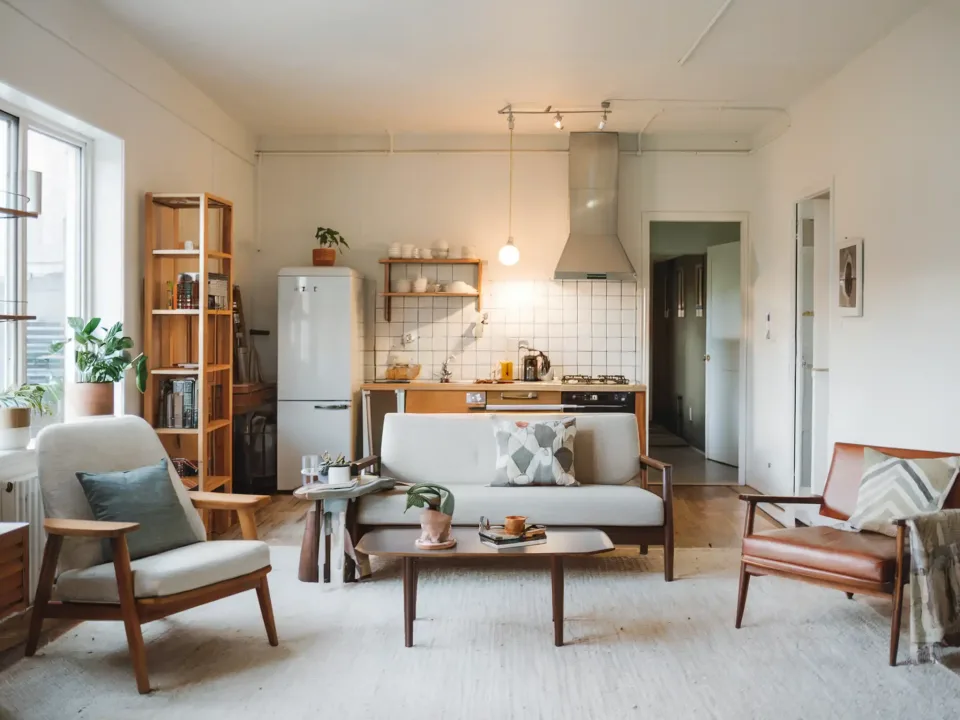
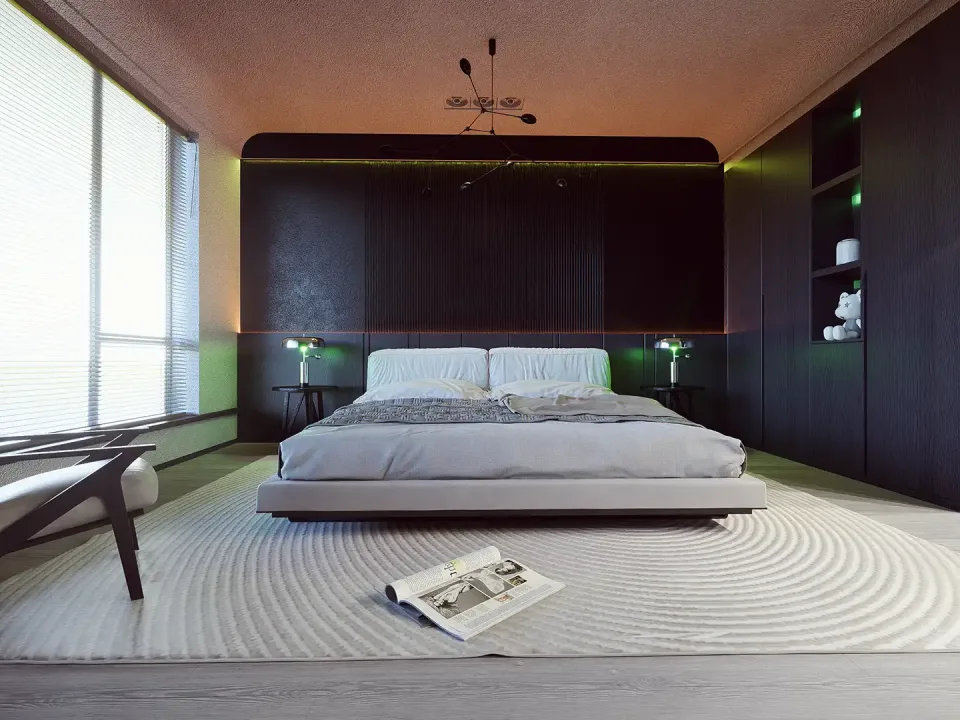
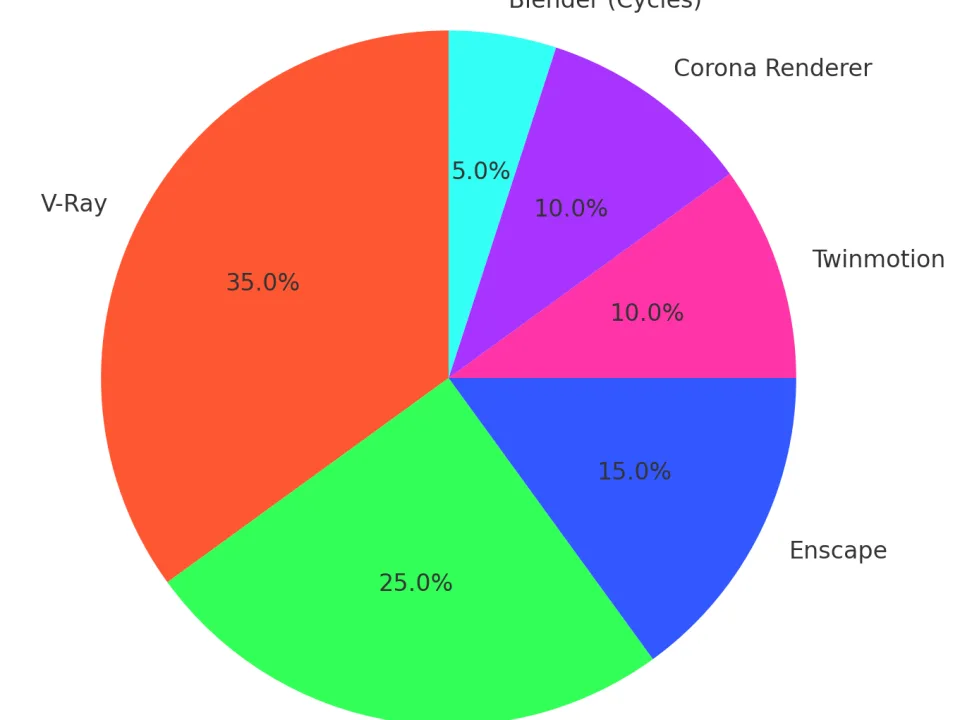
Architectural rendering is the technique of turning designs developed through sketches and other tools into realistic, photo-like images with 3D programs. Many popular 3D programs and 3D render engines are used for architectural rendering, and future 3D design trends are reshaping how that work is done.
3D design is the process of creating and modeling objects, characters, places and scenes in a three-dimensional digital environment. It is used in many fields, such as digitizing real objects, creating fictional characters and the 3D modeling of architectural projects.
Architectural Rendering and Future 3D Design Trends
Where Technological Innovation Meets Creativity
As technology advances rapidly, 3D design keeps evolving and will continue to become even more impressive in the future.
3D design plays an important role in many fields:
–Industrial Design: Used in product development and prototyping.
–Architecture and interior design: Visualization is done through 3D modeling of buildings, structures and interiors.
–Gaming and entertainment: 3D design is used to create game characters, worlds, objects and animations.
–Film and Animation: 3D modeling brings the effects, characters and scenes used in films to life.
–Advertising and Marketing: 3D design is used for the visual representation of products and brands.
–Education and entertainment: 3D design is important for educational materials, simulations and virtual reality content.
The future trends of 3D design are being shaped by the combination of advanced technologies and creative approaches. In this section, we look at the key future trends in 3D design and offer a perspective on how the design world is changing.
Immersive augmented reality (AR) and virtual reality (VR) experiences:
Augmented and virtual reality technologies are opening new doors in the world of 3D design. AR and VR let users experience designs in the real world, enabling more effective and immersive visualizations.
AR and VR will be used more and more to provide interactive tours for clients in architectural projects, to create full-scale prototypes in product design and to deliver immersive experiences in the entertainment industry.
Improving processes through artificial intelligence and automation:
Artificial intelligence plays an important role in the 3D design process. Thanks to user-friendly interfaces and recommendation systems in design software, designers can work faster and more efficiently.
In addition, automation technologies improve the design process by automating repetitive tasks. This way, designers can spend more time focusing on creativity.
Biological and Organic Design:
In the future, 3D design will play an important role in modeling living and organic forms. Biology-inspired designs will offer aesthetic and sustainable solutions by imitating the perfection of nature.
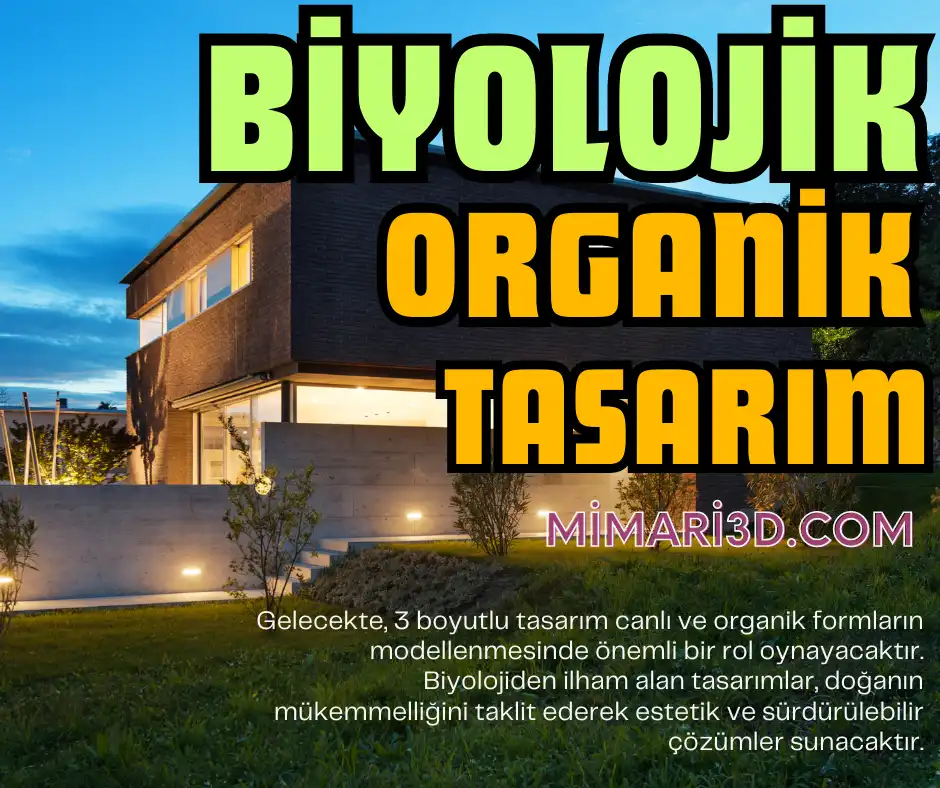
The concept of biomimicry (inspired by nature) will become even more important in design and help shape the next generation of products and architectural projects.
How biomimicry is reflected in architecture.
Participatory and community-based design:
Design based on community and user feedback will be an important part of future 3D design trends. A participatory design process will improve communication between designers and their target audience, leading to products and services that better meet user needs and expectations.
Future 3D design trends highlight the combination of technological innovation and creativity. Technologies such as augmented reality and virtual reality deliver rich experiences, while artificial intelligence and automation improve design processes.
Biological and organic design offers aesthetic and sustainable solutions inspired by nature, while participatory and community-based approaches lead to designs that suit users’ needs.
The future points to an even more exciting and engaging period that pushes the boundaries of 3D design.
Various 3D modeling programs are used for 3D design.
Popular ones include:
Autodesk Maya, Blender, SketchUp, 3ds Max, Cinema 4D, ZBrush and SolidWorks.
These programs have different features and uses.
3D design is a process that requires technical knowledge and visual skill. If you want to learn 3D design, you can use a variety of resources to understand basic 3D modeling skills and software.
Online learning platforms, books, tutorial videos and online communities can help. By practicing and building projects, you can develop your skills and start learning 3D design in your area of interest.
You can start SketchUp lessons at the link below.
https://www.youtube.com/watch?v=DPq1pUqntD4&list=PLbcNJVR3dmPrAFgy7M2aauFUmkOCYX8aQ