Future Architecture Trends: Smart Buildings and Biophilic Design
A look at the architecture trends shaping the future: sustainability, smart buildings and IoT, green spaces and biophilic design.
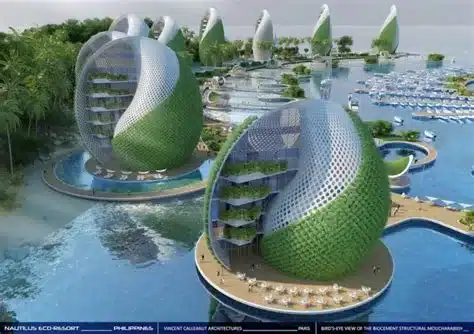
Architectural trends belong to a discipline that has always transformed and reinvented itself throughout humanity’s journey of civilization. But with fast-changing technology, our modern world has given architecture a role that goes beyond purely aesthetic concerns.
In today’s post, we look at the future architecture trends that are shaped by sustainability and are already starting to shape the world of tomorrow.
We’ll explore how smart buildings and the Internet of Things (IoT) create more effective and efficient living spaces, and the positive effects green spaces and biophilic design have on our psychology and on ecosystems. Let’s take a closer look at these innovative architecture trends and discover together how they will affect us in the future.
Sustainability-Led Architecture Trends
Sustainability-led architecture trends aim to offer proactive solutions to today’s environmental, economic and social challenges. In architecture, sustainability does not stop at creating energy-saving structures; it also encourages the use of local materials and produces projects that minimize their long-term impact on the environment.
This approach covers every stage of a building’s life cycle, addressing a wide range of topics from recyclable materials to waste management systems.
The integration of renewable energy sources in particular is another important dimension of the sustainability trend in architecture. Many innovative solutions, from solar panels and wind turbines to green roofs, play a critical role in meeting buildings’ energy needs from natural sources. This lowers operating costs, reduces dependence on fossil fuels and shrinks the environmental footprint.
At the same time, passive design principles hold an important place among architecture trends. Buildings that maximize daylight, are well insulated and suit their climate can cut energy consumption significantly. Passive design not only minimizes environmental impact but also increases the comfort of living spaces, directly benefiting people’s health and well-being.
Architects’ social responsibilities and ethical approaches also contribute to the growth of sustainability in architecture trends. Practices such as choosing eco-friendly materials, reducing waste and planning sustainable communities reflect the kind of future professionals in this field want to create. Sustainable architecture has to think not only about today but also about future generations.
Smart Buildings and the Internet of Things (IoT)
Today, smart buildings and the Internet of Things (IoT) are no longer of interest only to technology enthusiasts; architects, urban planners and even everyday users care about them too. Smart buildings are based on a network of sensors, software and internet-connected devices that optimize energy efficiency and comfort. IoT forms the backbone of this intelligent design, allowing building management systems to work almost like nerve endings.
Advanced automation systems include a range of technologies that support smart buildings, from automatic shade controls that make the most of daylight to advanced safety systems that guide safe evacuation in emergencies such as fire. Energy consumption management has also become more sophisticated thanks to IoT, minimizing buildings’ environmental footprint and enabling important steps toward sustainability.
For example, efficient control of heating and cooling systems is one of the clearest signs of improved energy efficiency in smart buildings, delivering major gains in both user comfort and energy savings. Supported by artificial intelligence and machine learning algorithms, these systems raise the quality of life inside the building while significantly lowering energy costs.
Considered together with smart city projects as a key factor in shaping future cities, smart building technologies are dynamic structures that improve their users’ quality of life, respect the environment and embrace technological innovation. Combined with sustainability and eco-friendly approaches, IoT-enabled smart buildings aim to make human life easier by using the possibilities of the modern world to the fullest.
More Green Space and Biophilic Design
More green space is emerging as an important way for people in modern cities to reconnect with nature. Surrounded by ever-growing masses of concrete, people miss the calming effect of nature, and this need is strengthening demand for more green space even in city centers.
Biophilic design is an approach that responds to this demand by integrating natural elements and living systems into architecture and interior design. It is not limited to plants; it also brings in water features, natural lighting, ventilation and materials, strengthening people’s relationship with nature and helping them feel better in the spaces they occupy.
The rising trend of green space and biophilic design in city life also contributes positively to sustainability. Innovations such as green roofs, vertical gardens and ecological corridors aim to reduce cities’ carbon footprint while lowering people’s stress levels and improving overall health. This growing green-space trend matters a great deal for both people and urban ecosystems.
Biophilic design is also used in different building types such as offices, public buildings and homes, helping to make spaces more livable. The core goal of this design approach is to strengthen humanity’s bond with nature while creating sustainable, functional living spaces that meet the demands of the modern world.
Frequently Asked Questions
What are the architecture trends of the future?
Future architecture trends include buildings based on sustainability principles, smart buildings, Internet of Things (IoT) integration, more green space and the growing dominance of biophilic design.
What do sustainability-led architecture trends cover?
Sustainability-led architecture trends include eco-friendly practices such as energy efficiency, renewable energy use, ecological material selection and water conservation.
What kind of living space do smart buildings offer?
Thanks to automation systems, smart buildings offer energy efficiency, security, comfort and a living space that can be customized to the user.
What role does the Internet of Things (IoT) play in architecture?
IoT makes buildings smarter and more interactive, enabling remote control and optimization of elements such as heating, lighting, security and energy management.
Why is adding more green space to buildings important?
More green space is important for offsetting the negative effects of urbanization and concrete, improving air quality to create healthy living spaces, and adding aesthetic value.
What is biophilic design and why does it matter in architecture?
Biophilic design is an approach that integrates natural elements and a connection with nature into architecture to improve people’s psychological and physiological well-being. Its positive effects include reduced stress, a sense of calm and higher productivity.
What could combining sustainability and smart technologies in architecture lead to in the future?
Combining sustainability and smart technologies can lead to innovative buildings that are in harmony with the environment, save energy and improve quality of life.


