How to Plan a Landscape Design: Process, Site Analysis and Planning
Site analysis, client needs, design proposals, installation and maintenance: how a landscape design is planned and carried out.
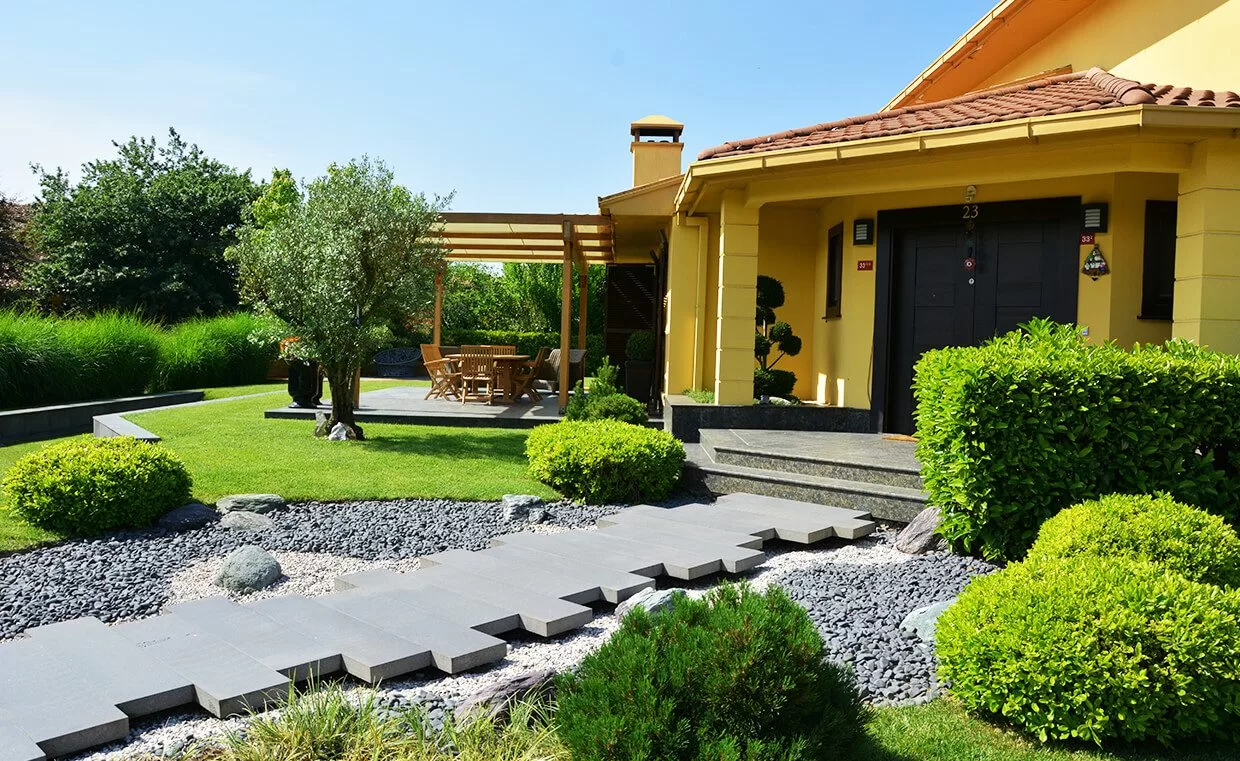
How do you plan a landscape design? This is a question that interests clients who want a landscape design. Knowing how to plan a landscape design starts with the client: design work in the area to be landscaped begins at the client’s request.
Whatever the size and setting of the work, landscape design is carried out according to what the users want.
For example, a park in a city setting is visited by the city’s residents, so the landscape design should reflect the character of the city and the features of the site. If the area to be landscaped is a home or a garden, the design follows the clients’ wishes and taste.
How to Plan a Landscape Design: The Process
Landscape design is the process of organizing a property’s outdoor spaces and designing them aesthetically. This process is usually managed by a landscape architect or landscape designer and consists of the following steps:
- Site analysis: The landscape designer analyzes the site before designing. This involves examining factors such as soil properties, existing vegetation, existing structures, available water sources and weather conditions.
- Defining needs: A client meeting is held to define the client’s needs. This provides information about the client’s taste, intended uses, budget, maintenance needs and other requirements.
- Preparing design proposals: After the analysis and the client’s needs, the landscape designer prepares design proposals. These include the garden layout, plant selection, lighting, water features, garden furniture, accessories and other details.
- Implementing the design: Once the client approves the design, the landscape designer puts together a team to implement it. This team prepares the garden, grades the soil, plants beds and trees, installs lighting systems and carries out other work.
- Maintenance: Once the landscape design is complete, maintenance is important. It ensures that the vegetation and other elements grow healthily and last a long time. Landscape designers usually offer regular maintenance services.
This process covers the basic steps of landscape design. Every project is unique, and the design process can vary depending on the project’s needs and the client’s requirements.
In the landscape process, the natural and cultural assets of the site are identified, and the site’s climate, soil and hydrology, as well as surrounding buildings and similar structures, are researched in detail. Landscape design: the question of how to plan it is a very broad one. Because landscape work takes place over long periods, it covers many tasks.
For the area to be landscaped, information about the land is gathered, along with details related to the design such as land-use plans, maps, reports, aerial photographs, statistics and expert opinions.
Photographs are also taken on the site where the landscape design will be carried out, and every detail is collected carefully to produce a sound environmental analysis. In the landscape design process, environmental analysis is very important for the direction the design takes.
Planning in Landscape Design
The landscape planning included in landscape projects falls within the scope of landscape architecture. The design of individual buildings and their surroundings, urban space design and some small-scale planning are areas that architects and landscape architects deal with.
For designs created by expert landscape architects, conditions during implementation should be identified clearly and evaluated together with the design, taking environmental factors into account. Paying attention to these key points has a major impact on the design.
These points are each part of the answer to how to plan a landscape design. In addition, before starting, the landscape designer should identify and evaluate details such as the site itself, its climate conditions, its structure and the human relationships of the people who will use it, by working hands-on at the site.
This way, the designs will be implemented more soundly and more smoothly, without the need to redo work.
For your architectural renderings, you can reach us through our contact page.


