Turkish Hammam Design: Modern Comfort, Traditional Motifs
Materials, lighting, colors, heat, water and layout: how Turkish hammam design blends modern comfort with traditional motifs.
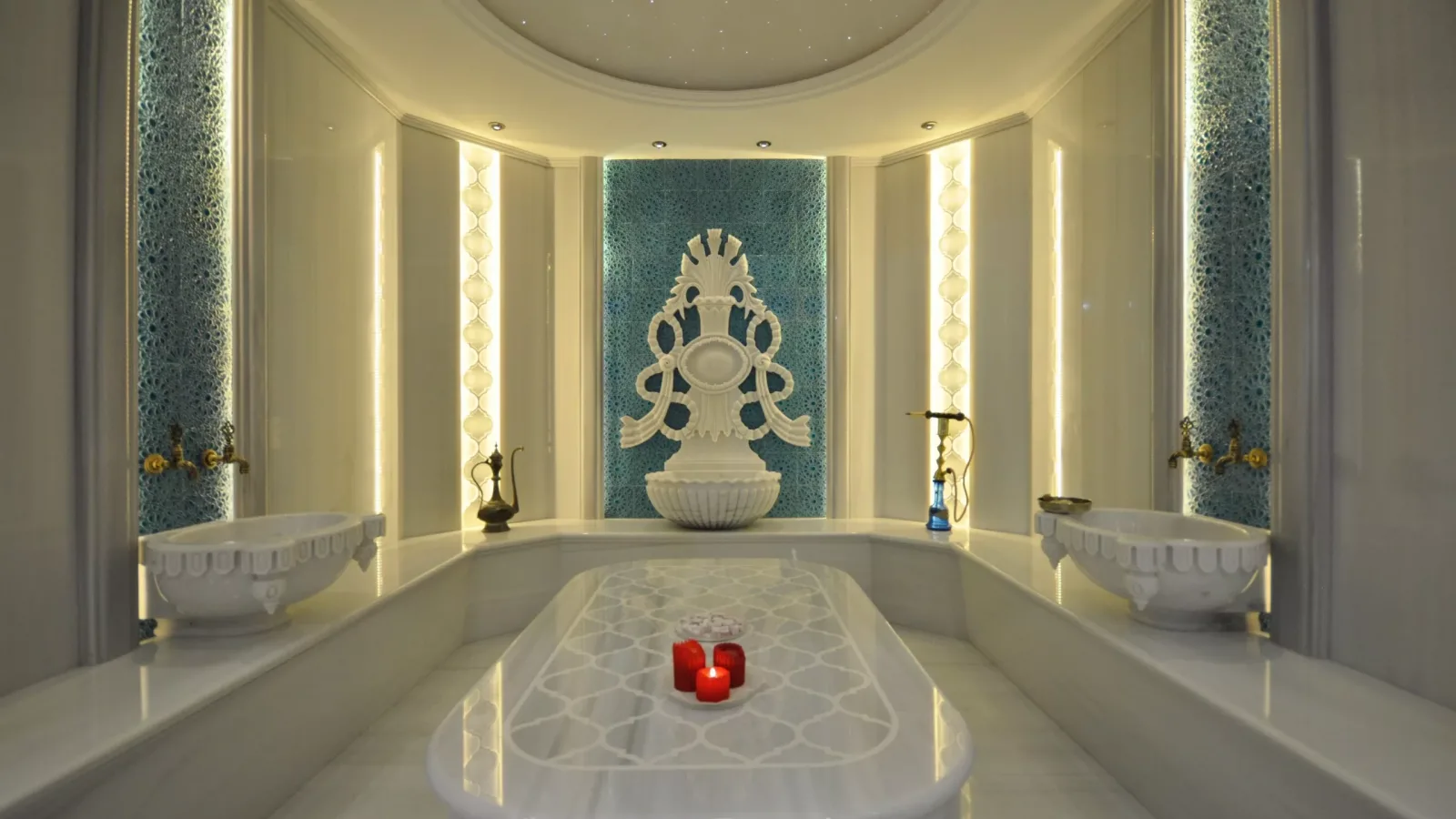
Hammam design helps the hammams that have been part of our history for centuries become far more comfortable and better suited to the modern world. Used to relax the body, open the pores, detox and bathe, hammams are part of our culture, and Turkish hammam design today brings that heritage into contemporary spaces.
To avoid renovation problems in a hammam, it is advisable to get help from a specialist on matters such as wall tiling and the use of products that resist moisture and steam. Wall coverings must be water-resistant and must not be damaged by steam. Choosing products that meet hygiene requirements is also extremely important in hammam design. Natural marble textures should also be used for seating and flooring.
The hammam is a type of bath that holds an important place in Ottoman culture and is still widely used today. Hammam design is important for making visitors comfortable and giving them an enjoyable experience. Here are some elements to consider in hammam design:
- Lighting: Proper lighting in a hammam is important for guests’ comfort. Lighting can be dim to create a slow, soft atmosphere.
- Colors: The colors used in hammam design should be chosen to help guests relax and feel at peace. Tones such as white, blue and turquoise suit the hammam atmosphere especially well.
- Materials: The materials used in a hammam must be hygienic, durable and practical. Natural stone, marble, mosaic and ceramics are usually preferred.
- Temperature: In hammam design, temperature is important for guests’ comfort. It can be controlled through the materials used, the number of heaters installed and ventilation.
- Water use: Water use in a hammam is important for guests’ comfort. Water features such as fountains, cascades and showers give visitors an enjoyable experience.
- Layout: Positioning equipment and furniture correctly in a hammam is important for guests’ comfort. Placing elements such as massage tables, relaxation areas and tea and fruit service areas well makes the hammam practical to use.
Hammam design should help guests relax and enjoy a pleasant experience in a peaceful atmosphere. Lighting, colors, materials, temperature, water use and layout should all be considered.
Turkish Hammam Design: Modern Style, Traditional Motifs
Hammam design combines modern touches with traditional motifs. As part of a cultural heritage, the motifs used in the space add an elegant, aesthetic touch. Decorative pieces such as wooden or copper bowls, menzef basins, wall sconces and buckets can create an ethnic atmosphere.
With an interior designer’s touch, a hammam’s ventilation, heating and lighting systems become much more practical and convenient. Using materials that resist heat and water and are easy to clean also leads to far more attractive designs.
Types of Turkish Hammam
Hammam designs each have their own character. Many details help convey the hammam culture. That is why different hammam designs, as part of Turkish hammam culture, can be grouped under three headings.
The first is the traditional Turkish hammam, where traditional details take center stage. The modern Turkish hammam offers a slightly more contemporary take on the hammam ritual. Finally, thermal hammams bring thermal water sources together with the hammam.
Because this way of reflecting traditional culture fits well with the modern world and has become much more popular recently, hammams stand out in space design through their choice of concept. With the right interior design support, it is possible in many ways to win customers over and keep them satisfied.
Contact us for your hammam designs.
Related articles: Minimalist bathroom designs · Hotel Designs · Villa Interior Design
Looking for photorealistic visuals for your project? Browse our architectural visualization projects or send us your drawings on WhatsApp.


