3D Landscape Modeling for Architecture: An Inspiring Story
A young architect's story shows how 3D landscape modeling and AI rendering shape site design, simulation and budgeting.

One day, a young architect named Deniz was working on groundbreaking 3D architectural projects. Her dream project aimed not only to create an eye-catching building but also to blend its surroundings seamlessly with nature. Yet the complexity of site design and the limits of traditional methods were holding her back. That was when she discovered 3D architectural modeling and AI-assisted architectural rendering , and with them 3D landscape modeling for architecture. These tools helped her use her time efficiently and make the project more attractive and functional.
Deniz’s story is a powerful example of how today’s architectural projects take shape. The power of technology enables creative approaches to site and landscape design while opening entirely new doors to sustainable, functional solutions.

The Power of Rendering and Visualization Tools in 3D Architectural Projects
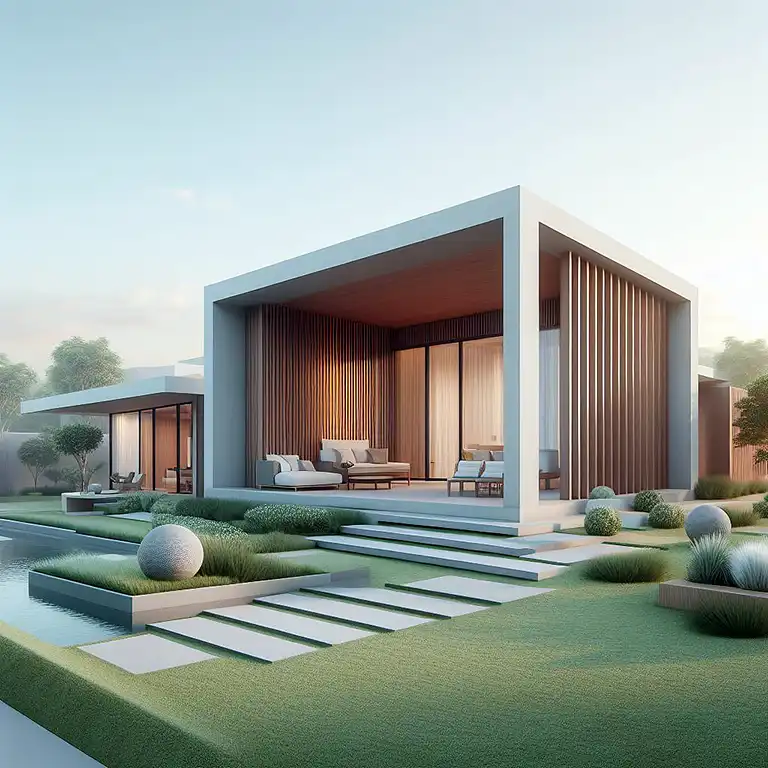
Architectural rendering and 3D visualization make it possible to present a project’s details as close to reality as possible. These technologies comprehensively visualize not only buildings but also landscaping, lighting and the surrounding environment.
In 3D project drawings, elements detailed with rendering technology give the project both aesthetic appeal and functionality. For example, light and shadow effects simulate how a space will look at different times of day, helping optimize design decisions. Using the right rendering tools ensures the design is presented effectively to potential clients.
AI Architectural Rendering in 3D Architectural Projects
AI-assisted architectural rendering techniques offer major advantages in both speed and accuracy. Thanks to these technologies, modeling complex details and producing efficient site design solutions takes far less time.
During landscape planning, AI analyzes environmental factors and supports better decisions. For example, data such as sun direction, wind flow and local climate conditions can be processed by AI to generate the most suitable design suggestions.

2. Site Design with 3D Landscape Modeling for Architecture
Innovative Approaches to Landscape Design
3D architectural modeling plays a vital role in site design. These technologies make it possible to design every detail, from plant placement to water features. 3D visualization specialists also manage the integration of landscaping into the project effectively.
Innovative landscape design aims to create spaces in harmony with nature. Sustainable water sources, native plant species and energy-saving open-space designs, for example, are frequently chosen in modern projects.
Automated Planning and Simulation
AI-assisted tools speed up site design by offering automatic suggestions. For example, these systems can suggest plant species or lighting layouts that suit the topography of a site. This saves time and minimizes the margin of error.
Simulation tools predict environmental impacts in advance, enabling better-informed decisions. This is a critical advantage for environmentally friendly projects.
3. Cost and Budgeting in Landscape Design
What Determines Render Prices
Interior rendering prices can vary depending on the project’s scope and the technology used. Detailed landscaping and high-resolution render requests have a direct effect on cost. The size of the project and its level of detail are other important factors that influence pricing.
Budgeting Strategies
When planning a project budget, using AI-assisted solutions in the rendering process can lower costs in the long run. The quality of the software and the expert teams involved also plays an important role in determining the total cost.
When preparing a detailed budget plan, the sustainability of the materials used in site design should also be considered. Reusable materials and design solutions with low energy consumption give the project an economic advantage over the long term.
4. The Future of Site Design: Predictions and Trends
In the future, as rendering technology and automation tools continue to evolve, innovative solutions will come to the fore in site design. 3D architectural project drawings integrated with AI in particular will both speed up design processes and enable more creative results.
Growing urbanization and environmental awareness are increasing the importance of green spaces and sustainable design solutions in architectural projects. Smart city concepts, for example, aim to offer more livable spaces through site design optimized with 3D modeling and AI.
Architects like Deniz and 3D visualization specialists can make a real difference in their projects by making the most of these technologies. As the importance of site and landscape design in architectural projects keeps growing, the future of this field looks very bright.
In this new era where sustainability, aesthetics and technology come together, site design will continue to stand out as a field that meets user needs while offering environmentally responsible solutions.