The Relationship Between Green Spaces and Architecture
How green spaces change the look of cities, why they matter in architecture projects and how sustainable design integrates them into buildings.

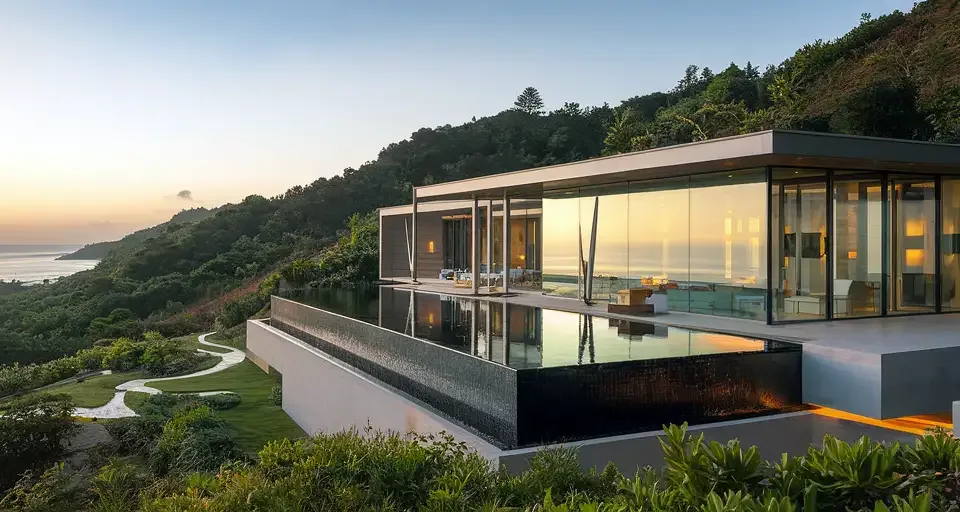
The blending of green spaces with the world of architecture is more than an aesthetic choice; it reflects sustainable living and environmental awareness.
In this blog post, we explore, through notable examples and creative projects, the aesthetic change green spaces bring to modern urbanism, why using green spaces in architecture projects matters so much, and how green spaces are integrated through a sustainable approach to architecture.
This approach, which puts eco-friendly design and living in harmony with nature first, does more than please the eye; it also shapes public health, quality of life and the future of our environment. Now it’s time to set out on a thorough journey into how this green fabric connects with architecture.
The Aesthetic Change Green Spaces Bring
Green spaces are seen as a place to breathe among the city’s gray masses of concrete and make an important contribution to urban aesthetics. This aesthetic change has positive effects on both human psychology and environmental sustainability. Eye-catching flower colors, calming green textures and nature’s magnificent display increase peace and beauty in living spaces and also attract the attention of urban planners and architects.
Dense construction and industrial development, especially in large cities, make green spaces even more important aesthetically. Green spaces bring together the rigid lines of modern architecture and the soft transitions of natural beauty, creating a visual contrast. This way, city views that might feel dull can turn into lively, dynamic works of art. The presence of green spaces acts as a bridge between buildings and carries nature’s art into our daily lives.
From another angle, green spaces and how they are arranged also contribute to the local ecology and protect biodiversity. By creating habitats for a variety of plant species, birds and other living things, they support not only aesthetics but also the environmental balance. The native plants and water features used in green space design also improve cities’ microclimate, acting almost like natural air conditioning.
Aesthetic change also contributes to a society’s cultural and social development. The design of green spaces brings people closer to art and nature, develops their aesthetic sense and helps raise a general level of green awareness in society. These places can become spots where people gather, socialize and where cultures meet. In the end, green spaces bring not only aesthetic change but also social and environmental transformation.
Why Green Spaces Matter in Architecture Projects
The rapid urbanization and dense construction of the modern world have made using green spaces in architecture projects even more important. Green spaces are no longer just aesthetic elements that please the eye among concrete blocks; they have become oases that touch the human spirit and reduce the stress of city life. A wealth of green space creates places to breathe between buildings and gives cities a more livable identity.
When developing architecture projects, integrating green spaces is also very important for protecting the ecological balance and supporting natural habitats. In line with sustainable development goals, the use of green space should be designed to improve buildings’ energy efficiency, and solutions should be developed to reduce the environmental footprint. This brings an architectural approach that respects the environment and also delivers economic savings in the long run.
People want to escape the coldness of concrete and the monotonous rhythm of city life and take refuge in the relaxing textures of green. Using green space in architecture projects makes people more open to social interaction and has a positive effect on public health. Smart solutions such as active green areas, community gardens, parks and rooftop gardens respond to people’s need to live in harmony with nature.
The architecture of today and tomorrow should not only push the limits of aesthetics and function but also include a sense of social and environmental responsibility. In this sense, using green space acts as a bridge that encourages architects to develop more conscious, sensitive projects and connects us with the healing power of green. The importance of green spaces in architecture projects thus stands out as an indispensable part of our time.
Sustainable Architecture and Green Space Integration
Sustainable architecture means buildings designed and built on principles such as environmental sensitivity and energy efficiency. By protecting natural resources and working in harmony with the ecosystem, these buildings minimize their long-term impact. Green space integration is one of the most important elements in sustainable architecture, because green spaces deliver multiple benefits, such as improving urban air quality, supporting the water cycle and increasing biodiversity.
Practices such as green roofs, vertical gardens and parks scattered among residential areas are signs of the effort in sustainable architecture projects to create spaces integrated with the environment. In cities hemmed in by concrete, such solutions help protect biodiversity while giving people places to live within natural surroundings. These green spaces, which improve quality of life, contribute to the ecological balance essential for a sustainable world.
At the design stage of every new building, sustainability principles should be taken into account and optimal green space planning done for the building and its surroundings. Green spaces integrated into the design process reduce buildings’ energy consumption while raising the city’s aesthetic value. Native plant species and water-saving landscaping techniques reduce environmental impact and also serve social sustainability by improving community well-being.
This integrated approach expands not only the boundaries of architectural design but also the framework of urban development. As a step toward sustainable development goals, integrating green spaces with architectural design plays a key role in building economically, environmentally and socially healthy communities over the long term.
Frequently Asked Questions
How can we define the relationship between green spaces and architecture?
Green spaces and architecture are two concepts that complement each other in terms of environmental health, aesthetics and sustainability. The relationship becomes concrete through designs that protect nature and improve quality of life.
What aesthetic change do green spaces bring?
Green spaces add natural beauty around buildings, enrich the texture and color of a place and give users a space for visual relief.
Why is using green space important in architecture projects?
Using green space in architecture projects is important because it contributes to buildings’ energy efficiency, improves air quality and encourages social interaction.
How are sustainable architecture and green space integration achieved?
Sustainable architecture and green space integration are achieved by using energy-saving materials and incorporating natural elements into the building design.
What effect do green spaces have on the look of cities?
Green spaces bring life to the gray concrete buildings of cities, change urban aesthetics for the better and make living spaces more attractive.
What challenges do green spaces face in architecture projects?
The biggest challenges for green spaces in architecture projects are limited space, maintenance costs and whether environmental factors suit the design.
What do you think about the future of green space concepts in architecture?
With the need to find solutions to problems such as global warming and urbanization, green space concepts will become more important in architecture and more innovative approaches will be developed.