Inspiring Spaces for Architectural Rendering
Minimalist interiors, nature-linked modern spaces, geometry and color, and futuristic buildings: spaces that can inspire your next architectural render.

The architectural rendering process expresses more than the technical side of design; it also carries the spark of artistic creativity and inspiration. Whether you are an architect, an interior designer or simply someone who enjoys visual aesthetics, discovering new spaces to draw inspiration from should be essential.
In this post, “Inspiring Spaces for Architectural Rendering,” we explore exciting examples of architecture and design, from the elegant, striking world of minimalist design and the calming atmosphere of modern spaces integrated with nature to the unique harmony of geometry and color and the bold silhouettes of futuristic buildings. Here are inspiring spaces and their stories to take your architectural rendering work to the next level.
Architectural Rendering: The Remarkable Impact of Minimalist Design
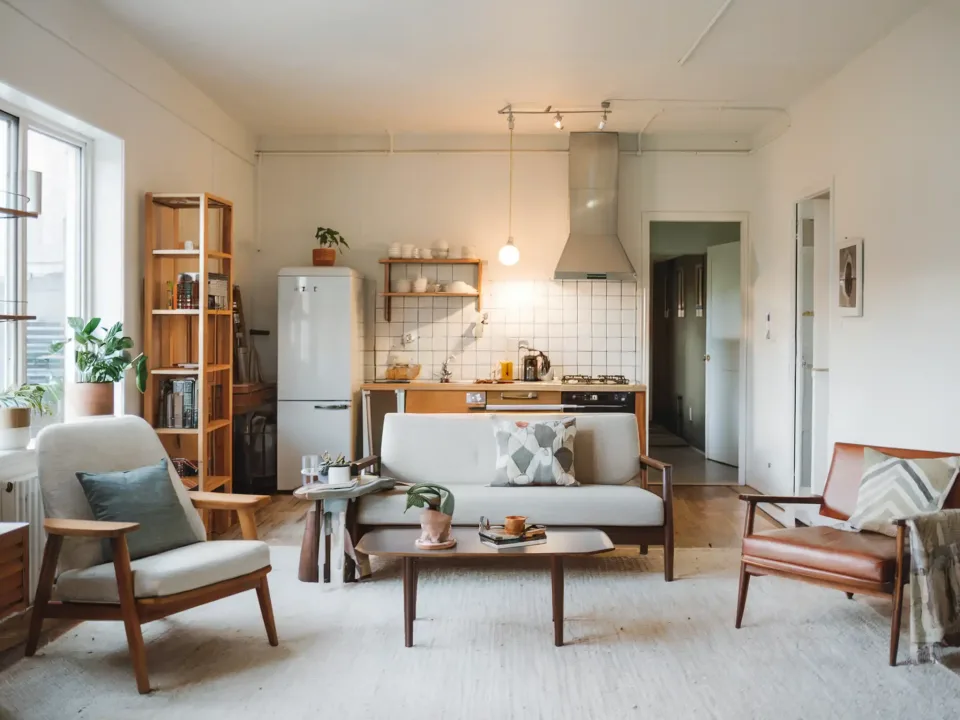
Minimalist design is described not only as a design movement but also as the expression of a way of life. At its core is the idea that less is more and that every element is carefully considered before it is placed. Minimalism aims to reduce clutter and offer people a peaceful, calm environment, helping us step away, at least a little, from the stress and chaos of daily life.
Experts highlight minimalist design’s power to make spaces look brighter and larger, noting that it is an ideal way to create a sense of openness. With color palettes usually limited to white and neutral tones, these designs are known to create a clear, orderly atmosphere and to support mental clarity. Moreover, thanks to the clarity of its lines and forms, minimalist design offers aesthetic satisfaction and raises the overall artistic value of a space.
Adopting a minimalist approach in arranging a space means reducing non-functional items and displaying only the most essential pieces. In other words, every piece is carefully chosen and serves a purpose specific to the space. The focus shifts to high-quality, functional objects, and unnecessary clutter is avoided. This also brings practical benefits such as easier cleaning and maintenance.
In short, the impact of minimalist design is not limited to visual satisfaction; it has deeper effects that positively improve people’s quality of life, mood and productivity. This design approach, born from the search for simplicity, is being embraced by more and more people today and puts the principle of “less is more” at the forefront of design.
Modern Spaces Integrated with Nature
With the help of technology, modern architecture seeks to blend the textures of natural environments with contemporary design. Spaces intertwined with nature offer people a living environment that is both calming and aesthetically satisfying. These spaces take a respectful approach to nature by using sustainable materials, while combining comfort and functionality through technological innovation.
Homes, offices and even public spaces designed in this spirit are furnished with natural color palettes and natural materials, and blended with lush gardens, water features and natural light. Modern spaces intertwined with nature make people feel part of nature while still letting them enjoy all the possibilities of contemporary life.
Also known as green buildings or eco-friendly designs, these structures prioritize energy efficiency and renewable energy sources. This creates environmentally friendly living spaces and contributes to the ecological balance through lower energy costs and a smaller carbon footprint.
To create modern spaces in harmony with nature, architects and designers are developing many innovative solutions, from making the best use of daylight through windows to green roofs, living walls and rainwater harvesting systems. This gives rise to striking, sustainable spaces that nourish us not only ecologically but also emotionally.
The Unique Harmony of Geometry and Color
The unique harmony of geometry and color is one of the core elements in design that always draws attention and creates aesthetic unity. Found in many fields, from modern architecture and web design to interior layouts and art installations, this harmony produces eye-catching compositions and unusual aesthetic approaches. When the meaning and power of each geometric shape combine with the energy of color, they can leave a lasting impression on viewers and radically change the atmosphere of a space.
The geometric forms we are used to seeing in minimalist designs gain even more meaning through their interaction with color. This style, which emphasizes simplicity and impact, blends the psychological effect of color with the concrete expression of geometric figures in perfect harmony. Calm, serene tones on one side and bright colors representing dynamism and energy on the other almost turn into a dance when combined with geometric shapes, bringing the spirit of the space to life.
In modern spaces integrated with nature, the harmony of geometry and color strengthens the relationship with the surroundings. The geometric patterns and color palettes used here reflect the geometric structures found in nature while respecting the natural order of the place. Alongside the green of the trees and the blue of the sky, the color variety of plants and flowers can work in harmony with the geometric forms in the design, giving interiors a fresh, lively ambiance.
The eye-catching texture of futuristic buildings is another perfect example of the harmony of geometry and color. These buildings are usually designed with unusual geometric forms and bold color combinations, creating a visual feast that pushes the boundaries of contemporary art. Every detail sharpens the character of these buildings, and the use of color not only offers visual satisfaction but can also deeply affect the buildings’ relationship with their surroundings.
The Eye-Catching Texture of Futuristic Buildings
Among today’s architectural designs, it is undeniable that futuristic buildings create a dazzling effect with designs that reach beyond our time. Pushing the limits of traditional architecture, these structures become more than living spaces and almost promise visitors a journey through time. Complex geometric shapes, unusual lines and smart use of materials give them a unique touch while also sending an important message about environmental harmony.
Created by combining artificial intelligence and advanced engineering techniques, futuristic structures strike a perfect balance between aesthetics and function. These buildings, which add something new to city skylines with their eye-catching textures, also take an eco-friendly stance by using renewable energy sources and sustainable materials. Meeting the needs of modern life not only with their facades but also with their interiors, they keep pushing the limits of technology.
One of the most striking features of futuristic architecture is the way it blends functionality and aesthetics in unique harmony. These buildings use form not only as an aesthetic design element but also as a tool to improve the building’s performance. For example, smart facade systems make it possible to design buildings with high energy efficiency, giving users both comfort and a sustainable living space.
Strikingly beautiful futuristic buildings point to the possibilities awaiting us in the architectural designs of the future. With the potential to transform both the design world and city life, these structures stand out not just as aesthetic objects but as living, breathing ecosystems. Futuristic architecture thus emerges as a herald of deep change and progress that goes beyond visual satisfaction.
Architectural Rendering Frequently Asked Questions
What Effect Does Minimalist Design Have in Architectural Rendering?
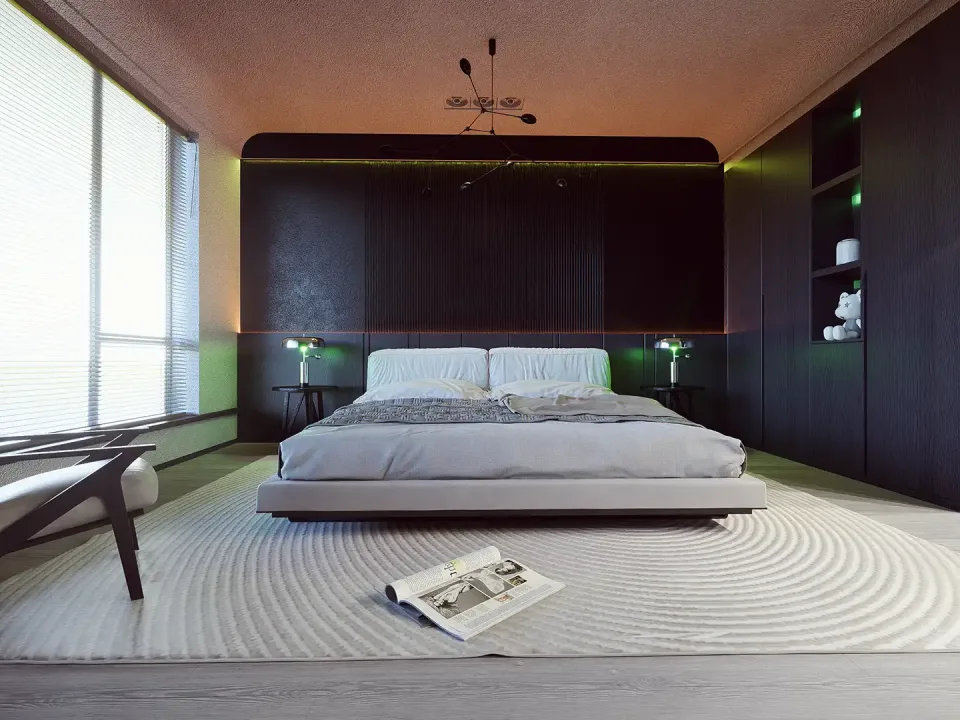
By emphasizing simplicity and function, minimalist design gives renders a clean, clear look. This focuses viewers’ attention on the essential elements of the space and reveals the aesthetics of the design.
How Can Modern Spaces Be Integrated with Nature?
Modern spaces can live in harmony with nature by using natural materials, large windows, plants and daylight. This way, the relaxing effect of nature is reflected in every corner of the space.
How Do Geometry and Color Work Together in Architectural Rendering Projects?
Combining geometric forms with vivid or pastel colors gives spaces a dynamic, contemporary feel. In rendering projects, this harmony highlights the character of the space and adds visual richness.
How Is the Eye-Catching Texture of Futuristic Buildings Captured in Renders?
Futuristic buildings have unique forms shaped by innovative materials and advanced technology. In renders, high resolution and detailed lighting are used to emphasize these striking textures.
What Does Minimalist Design Contribute to Rendered Spaces?
With clean lines and reduced detail, minimalist design brings calm and serenity to rendered spaces. It offers visual simplicity by highlighting the space’s function and elegance.
What Is the Effect of Using Natural Elements in Architectural Rendering?
Natural elements add life and warmth to a space. In a render, materials such as natural stone and wood, along with plants, give the space an organic atmosphere that respects nature.
What Kind of Innovation Does Using Geometry and Color Bring to the Art of Rendering?
Creative use of geometry and color adds a modern, aesthetic dimension to spaces. In rendering, this innovative approach makes it possible to create unconventional designs and increases viewer engagement.