New Architectural Design Trends
Minimalist architecture, sustainable buildings and materials, and the growing impact of technology: the trends reshaping architectural design today.

In today’s world, architectural design keeps evolving and trying to respond to society’s changing needs. Several trends that have stood out in recent years show this change clearly. In this blog post, “New Architectural Design Trends,” we look at the latest architectural movements that capture the spirit of our time and their transformative effects.
First, we’ll cover “the rise of minimalist architectural design” and see how buildings that put simplicity and function first have become popular. Then, in our section on “sustainability-focused buildings and materials,” we’ll discuss the importance of designs that aim to protect the ecological balance.
Finally, we’ll assess “the impact of technology on architectural design” and share interesting examples of how new technologies are transforming the form and function of buildings. Now, before diving deeper, let’s take a closer look at the kind of future these innovative design trends promise.
The Rise of Minimalist Architectural Design
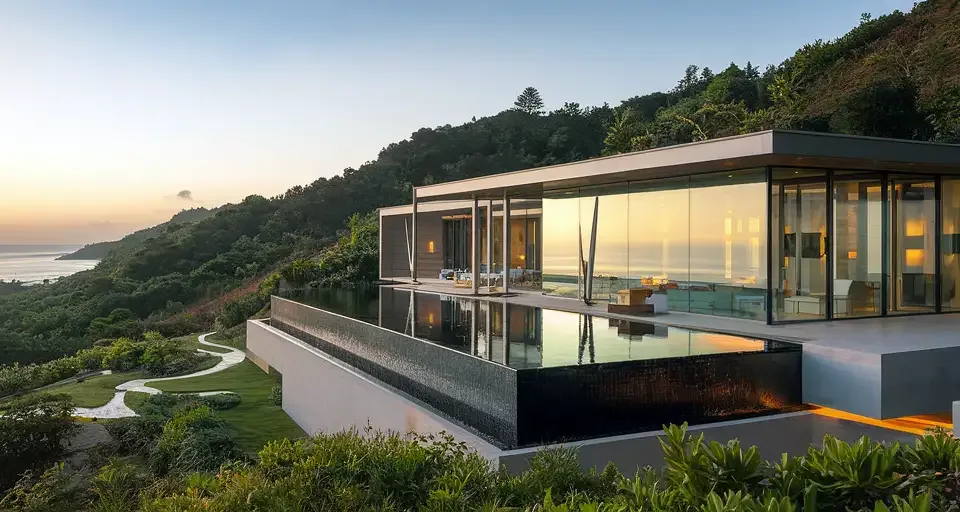
Minimalist architectural design has become a reflection of a lifestyle and aesthetic that many people have embraced in recent years. This approach is defined by removing unnecessary details and highlighting simple, functional elements. The resulting buildings offer a peaceful, calm atmosphere for the people who live in them. Minimalism also reflects the desire to create a refuge from the chaos of busy city life.
The rise of minimalism in architectural design has also gained momentum thanks to the new materials and construction techniques that technological progress has given us. Where complex geometries and heavy decoration were once preferred, clean lines and plain surfaces are now among the most favored features of modern buildings. This shows that people want more performance and less visual complexity from their living spaces.
In urban living spaces, minimalist buildings increase efficiency not only aesthetically but also in how space is used. Limited spaces such as small apartments or studios can be made more functional and practical through minimalist architectural design. This approach encourages us to make the most of our living spaces and simplify our physical surroundings.
For many people, minimalist architecture has become more than a design trend; it has become a way of life. People feel less stressed and more organized in living spaces free of unnecessary belongings and excessive ornament. In our rapidly changing world, this can be an ideal solution for those who want to stay away from stress and clutter.
Sustainability-Focused Buildings and Materials
Sustainability-focused architecture today includes the goals of reducing environmental impact and using resources more efficiently. In this context, buildings and materials that minimize the ecological footprint have become an essential part of both the design industry and environmental awareness. Sustainable buildings matter because they protect natural resources so that future generations can also find a livable environment on our planet.
Green buildings are concrete examples of this way of thinking and are equipped with features such as water-saving plumbing systems, energy-efficient lighting and HVAC systems, and roofs that collect rainwater. Buildings designed around the concept of sustainability also make it possible to prefer local materials and reuse waste materials in construction. This reduces carbon emissions and contributes to the material cycle.
Renewable energy technologies have become an indispensable part of sustainable buildings. Renewable energy systems such as solar panels, wind turbines and geothermal heat pumps are increasingly used to meet buildings’ energy needs. These systems reduce dependence on fossil fuels and deliver economic savings in the long run.
When it comes to building materials, recyclable and renewable materials are another cornerstone of sustainable architecture. Materials such as bamboo, reclaimed wood, natural fibers and recycled metal and plastic offer alternatives to traditional materials in durability and aesthetics while reducing pressure on the environment. This approach underlines that sustainable design is not only eco-friendly but also a method that combines aesthetics and function.
The Impact of Technology on Architectural Design
Technology has brought fundamental changes to architectural design processes in recent years, just as it has in every area of life. The arrival of digital drawing tools and 3D modeling software has freed architects’ imagination and allowed them to push the boundaries of design. These developments have made it possible to use complex geometries and special building materials, opening the door to buildings that once could not even be imagined.
With the development of artificial intelligence and machine learning, architectural design processes are becoming more personalized, and it is now possible to develop suggestions based on users’ needs and preferences. This means architectural structures can be designed to be user-focused not only aesthetically but also functionally. For example, software that can simulate the movement of sunlight inside a building now makes it easier to design highly energy-efficient buildings.
Virtual reality (VR) and augmented reality (AR) technologies help clients visualize the final form of unfinished projects. These technologies strengthen communication between clients and architects while making the design process much more interactive and participatory. Using virtual reality during construction also brings major benefits by detecting errors in advance, lowering costs and saving time.
New-generation construction technologies are also merging with sustainability and eco-friendly design. For example, 3D-printed construction optimizes the use of waste materials, reducing costs and minimizing environmental impact. Technology’s impact on architectural design therefore positively affects not only design processes but also the environmental footprint of buildings.
Frequently Asked Questions
Which topics does your post on new architectural design trends cover?
In this post, I cover some of the most popular topics of our time: the rise of minimalist architectural design, sustainable buildings and materials, and the impact of technology on architectural design.
What is minimalist architectural design and why is it on the rise?
Minimalist architectural design is a design approach that strips away excess and focuses on clean lines and function. Minimalism has become popular because of the desire to escape the complexity of contemporary life and a growing preference for aesthetic simplicity.
What features should sustainability-focused buildings have?
Sustainable buildings should be designed to minimize environmental impact, improve energy efficiency and protect natural resources. Using renewable energy sources and choosing ecological materials are core components of sustainable architecture.
How can we see technology’s impact on architectural design?
Technology influences architectural design on a broad scale, from the use of computer-aided design (CAD) tools to smart home systems. New material technologies and construction methods also help make designs more innovative and functional.
How does minimalist architectural design affect the use of space?
Minimalist architecture makes a space more functional and makes it look larger. With less clutter, the focus shifts to the purpose of each element and space, improving quality of life and usability.
What materials are used in sustainable architecture?
Sustainable architecture generally favors recyclable, renewable or low-impact materials. These include wood, bamboo and recycled metal or plastic.
What do you think about the future of architectural design trends?
I believe technological developments and sustainability principles will become even more important in the future. Architectural designs will evolve toward solutions that are in harmony with the environment and integrate technology.