What Is Organic Design in Architecture?
Organic design in architecture explained: Frank Lloyd Wright's philosophy and the seven elements that tie a building to its natural surroundings.
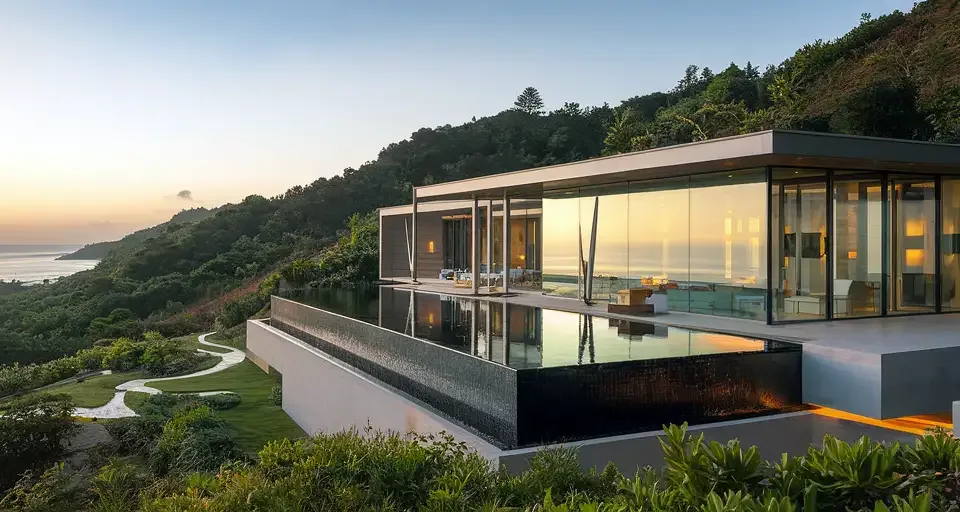
Here we explain the frequently asked question What is organic design in architecture, and how is it done? Organic architecture is an architectural approach and philosophy that champions harmony between people’s need for shelter and the natural world. It advocates presenting the site’s natural surroundings and the building’s interior in harmony, woven into one another.
The term was first used by the American architect Frank Lloyd Wright, who argued that building and nature should exist in natural harmony. Organic architecture aims to unify space, blending interiors and exteriors so that the building becomes part of a unified whole in a harmonious setting, never separate from or imposed on nature.
Organic design in architecture is an architectural approach inspired by natural forms and natural elements. Its goal is to give man-made structures a feeling that is organic and in harmony with the natural environment.
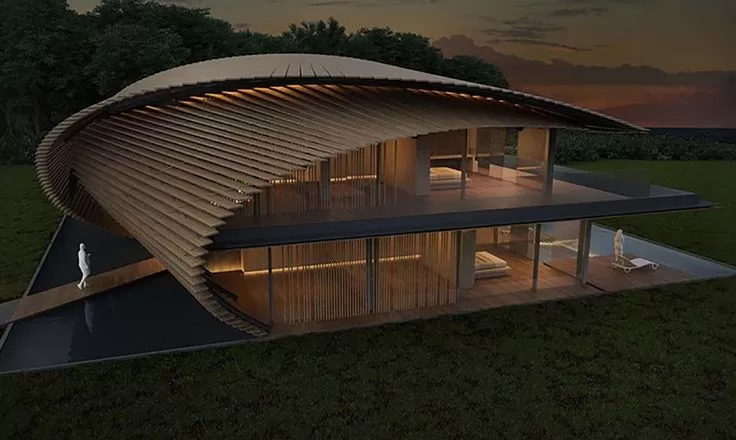
Organic design draws on the materials, forms and colors of a building’s natural surroundings. These designs are characterized by natural shapes, curves and soft lines. Organic designs include organic forms made of wood, stone, glass, metal and other natural materials.
Organic design is created using 3D design software. These programs provide the tools needed to build organic forms and curves. Rendering programs can also be used to visualize organic designs realistically.
Organic design in architecture is becoming increasingly popular as demand grows for sustainable buildings in harmony with nature. While offering an alternative approach to modern architecture, organic design also provides solutions around the use of natural materials and sustainability.
Elements of Organic Design in Architecture
The elements of organic architecture are design features that reflect harmony with nature: organic forms, natural materials, organic light, natural colors, organic texture, natural landscape and organic movement. These elements help buildings fit into their surroundings, interact with natural features and form an organic connection with people.
The most important elements of organic architecture are:
- Organic Forms in Architecture: Organic architecture imitates natural forms and shapes. This means adapting the forms and lines of natural features such as rocks, mountains, rivers and seas to architectural design.
- Natural materials: Organic architecture encourages the use of natural materials. Wood, stone, glass, natural stones and other organic materials help designs blend naturally with their surroundings.
- Organic light: In organic architecture, natural light sources such as sunlight become part of the design. Light flows naturally into the building and lets the structure interact with it organically.
- Natural colors: Organic architecture encourages the use of natural colors. Natural greens, blues and earth tones help buildings harmonize with their natural surroundings.
- Organic texture: In organic architecture, building textures should resemble organic elements. Relief on surfaces, color variations and other natural textures give designs an organic look.
- Natural landscape: Organic architecture emphasizes the importance of natural landscape design. Buildings should adapt to and integrate with natural landscape elements.
- Organic movement: Organic architecture encourages movement through buildings to feel natural and fluid. Buildings should have a natural flow and be designed around how people move.
Within the question What is organic design in architecture, and how is it done? the elements of organic architecture hold an important place. Looking at the topic in terms of cause and effect will give you a new perspective.
The organic movement, which emerged as a response, was embraced by Wright’s mentor and fellow architect Louis Sullivan. Sullivan believed that form follows function.
Wright, by contrast, held that form and function are one. The writer Josean Figueroa argued that this principle Wright adopted stemmed from his exposure to American habits.
To describe Wright’s interests in general terms: this principle is not concerned with a single, unified architectural style. Many of Wright’s designs show elements that keep reinventing themselves.
Organic Architecture as the Future of Architecture
When explaining What is organic design in architecture, and how is it done? the most important point to make is that it is described as the future of architecture.
Architectural design, transforming every day in light of technological advances and science, helps you make the best use of today’s resources.
These elements, which are in harmony with and supportive of the environment as well as your expectations and wishes, let you expand your comfort zone. Innovation lives not only in ideas but also in practical form in many parts of our lives.
To keep up with the latest thinking and get the best design, you can contact us as well. We take pride in bringing you the most functional and attractive designs as well as on-trend solutions.
For your architectural renders, you can reach us through our contact page.