Using Render Engines for Architectural Projects
What rendering means in architecture and how to get materials, lighting, settings and render time right when using a render engine.
Using render engines for architectural projects helps you reach results quickly. Technological progress has brought new conveniences to every industry.
In line with this, rendering plays a key role in helping designs stand out. Render engines, which let you reach results faster, are becoming more important every day.
These engines matter for users who want effective results and who need to compete with rivals in the industry. With plug-ins that are constantly updated, render engines have become increasingly practical.
There are many render engines used in architectural visualization because they are easy to use. Software companies keep working to make the process simpler and deliver results faster.
Render Engines for Architectural Projects: What Does Rendering Mean?
In architecture, the word render means to compile or to present. Rendering is a technical term frequently used in architecture and film production. Using render engines for architectural projects is the process of arranging and processing drawn material in software and turning it into a video. It can also be described as converting the finished project into video format. Of course, various software tools are needed to do this.
3D Elements Used in Rendering Architectural Projects
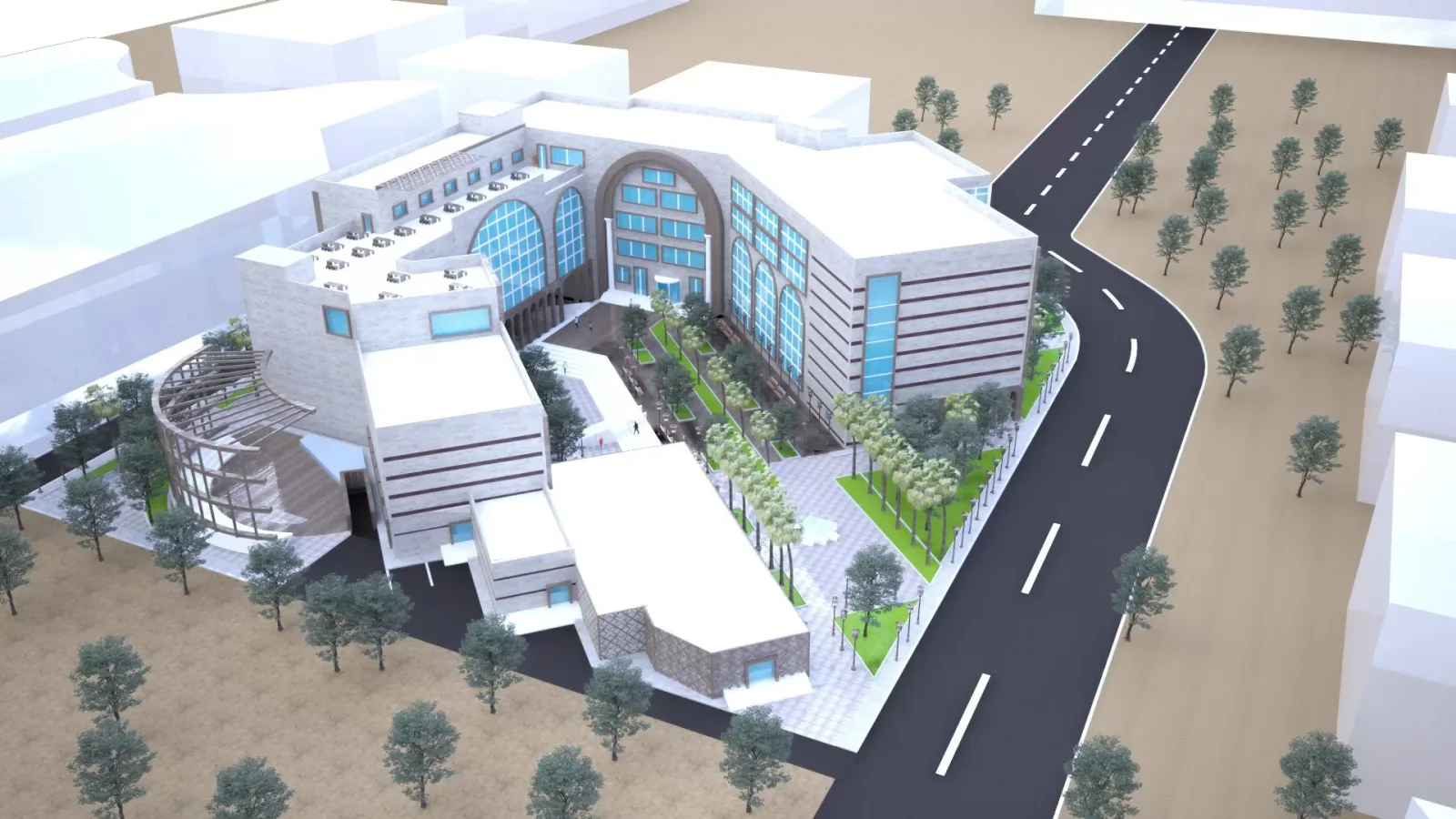
There are many objects used during drawing. Many software tools are used in this process, which turns images into video by processing camera angles, textures, lights and more. The time the process takes varies depending on criteria such as the size of the data and the quality and processing power of the computer. These engines, including graphics programs, are used in many fields. Render engines:
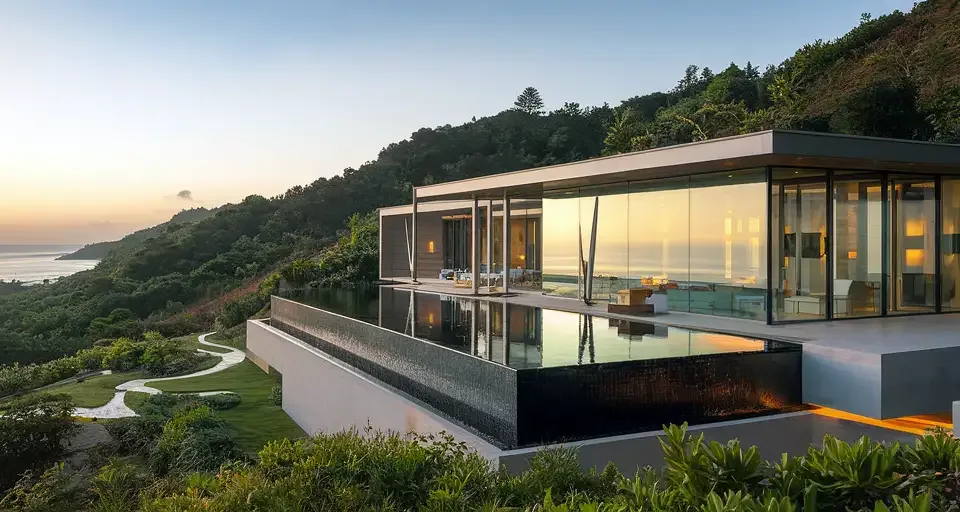
Using render engines for architectural projects helps make projects more visually impressive. Render engines produce realistic images of models created in 3D modeling software.
With a render engine, you can make the project look as realistic as possible. This makes the project easier to understand for potential clients or investors.
When using a render engine, it is important to consider the following factors:
- Material selection: Render engines can imitate the surface properties of different materials. That is why you need to choose the materials in your project correctly. The surface texture, color and reflective properties of materials should be represented accurately by the render engine.
- Lighting: Render engines cannot produce realistic images without proper lighting. Setting up lighting correctly can noticeably change how the project looks. The position, intensity and color of light sources should be chosen carefully.
- Render settings: Render engines offer many settings. These settings determine the speed and quality of rendering, among other factors. Choosing the right render settings helps the project be represented accurately.
- Render time: Render engines can take a long time to produce high-quality images. That is why you need to consider factors that affect your computer’s performance during rendering, such as processor speed and RAM.
Render engines help make architectural projects more visually impressive, which is why architects and designers use them so often. Paying attention to material selection, lighting, render settings and render time helps represent the project realistically.
For your architectural renderings, you can reach us through our contact page.