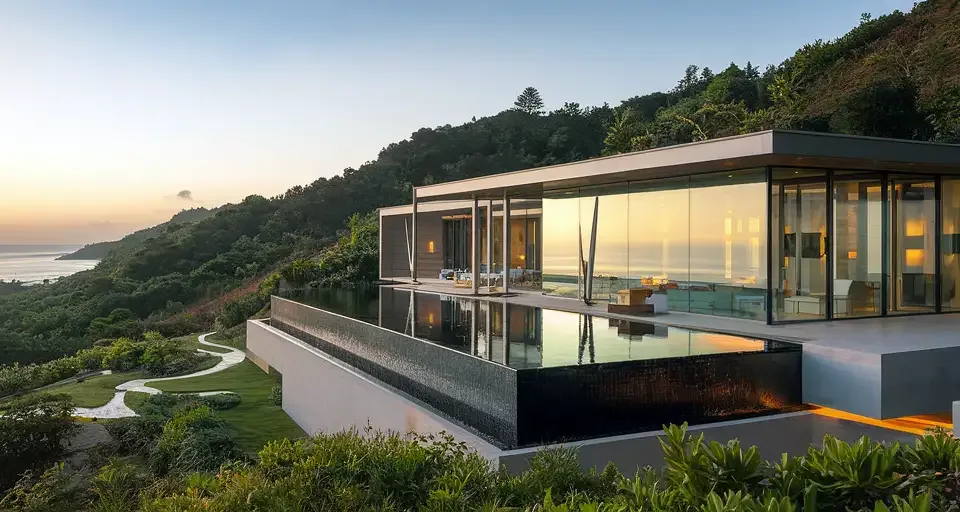
Living Room Furniture Layout Ideas and Design Tips
How to plan a living room around its size: furniture layout, focal points, color, lighting, rugs, decor and storage.
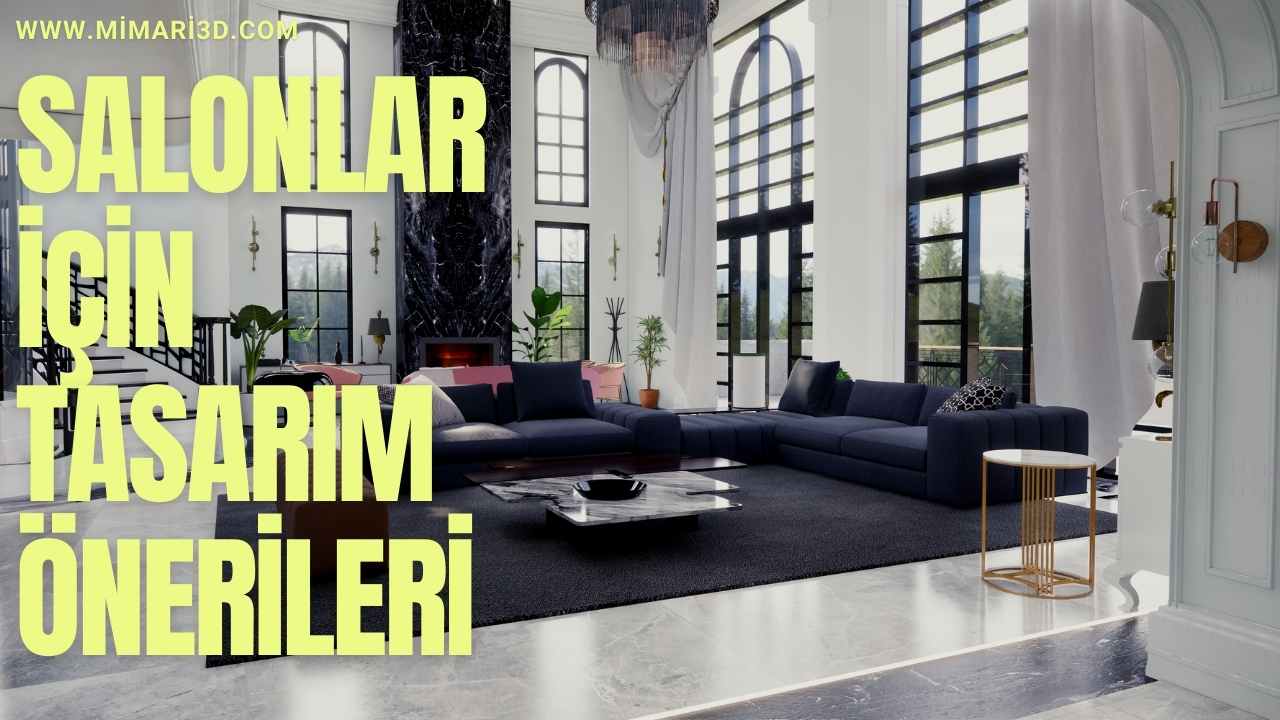
Living room design is now considered one of the most important parts of the home. Today, the living room is often described as a combined living space where the dining room and the seating area come together. That is why many factors come into play in living room design and a very wide range of options awaits homeowners. The living room is generally seen as the showcase of the home and its most eye-catching room. When planning a living room, the first thing to consider is the size of the space, and good living room furniture layout ideas start from there. The furniture chosen for the space and its colors have a strong effect on how the room looks, so when deciding on the size and color of furniture, you should consider how well it will fit the room.
Living Room Furniture Layout Ideas: How to Plan Your Living Room
When designing a living room layout, look carefully at how the furniture will sit in the room and whether it will be functional and comfortable. For this reason, furniture should be positioned on a drawing of the room, taking the size of each piece into account. Buying furniture that is too big for the space, or choosing very minimal pieces for a large room, can make the space look less attractive and pleasant. This leads to mistakes that are hard to fix later. When designing a living room, also think about complementary accessories while placing the furniture, and never underestimate what they add to the design. Spending time in a comfortable, relaxing space is something both the household and their guests will enjoy.
Living Room Design Tips
The position of the sofa set can define the center of the room. If furniture is pushed against the walls in the classic way, a large, pointless empty area may form in the middle. Instead, centering the seating group creates both an attractive look and a comfortable conversation area. Placing facing pieces at an angle can also give the room a different feel. If the room lacks a focal point, or you want to emphasize one more, you can do it in other ways. For example, an alternative wallpaper or a mural can create an airy look and define a feature wall.
The living room is one of the places where we spend the most time at home, so it is important to create a comfortable, inviting space for both family and guests. Here are some living room design tips:
- Color: Choosing the right colors for the walls and furniture can completely change the mood of the room. If you want a warm, cozy atmosphere, choose shades of beige, brown, green or orange.
- Furniture: Comfortable furniture is very important. Stylish but comfortable sofas, cozy chairs and a nice coffee table will complete your living room perfectly. The furniture should also suit the size of the room.
- Lighting: Lighting is essential for creating the right atmosphere. Using different types of lights in different parts of the room lets you create different moods. For example, table lamps can create a reading nook, while a chandelier or spotlights provide general lighting.
- Rugs: A rug can be a key element in creating the right atmosphere. A good rug makes the room feel warm and inviting. Choose one whose colors and patterns match your furniture to complete the space.
- Decor: Decor lets your living room reflect your personal style. Paintings, frames, vases, sculptures, ornaments and other accessories express the character of the room. When choosing them, make sure they match the colors of the furniture and walls.
- Storage: Storage is very important in a living room. Units such as bookcases, cabinets or shelves serve both practical and decorative purposes. Storage for books, artwork and other decorative items reduces clutter and creates a more open feel.
With these design tips, you can turn your living room into a comfortable, inviting space that reflects your personal style.