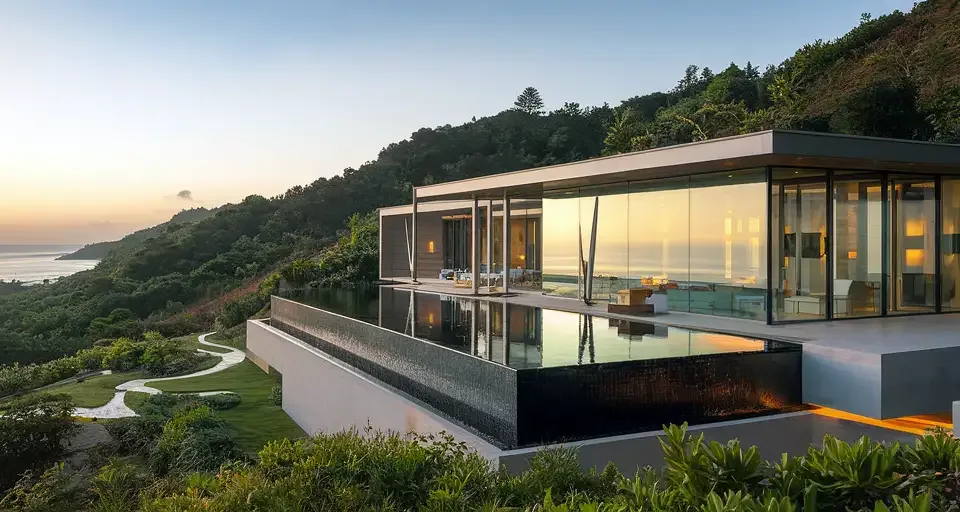
The Concept of Sustainability and Its Impact on Architecture
What sustainability means, how it shapes architecture, and sustainable architecture design examples such as passive houses, green roofs and eco-communities.

In today’s world, sustainability has become a concept of ever-growing importance that shapes every aspect of our lives. Because this conscious approach aims at the mindful use of resources and reducing our impact on the environment, it has a profound influence on disciplines such as architecture.
Under the heading “The Concept of Sustainability and Its Impact on Architecture,” we take an in-depth look at the fundamental questions behind sustainability and its relationship with architecture to better understand this concept. We’ll also review examples of sustainable architectural design, looking at which innovative practices stand out in this field and at the role and importance of sustainability in architectural practice.
Let’s start exploring the steps toward the built environment of the future.
What Is Sustainability?
Sustainability can be defined as protecting the natural balance and managing economic, social and environmental factors in a balanced way, without depleting existing resources and while considering the needs of future generations. The goal is to preserve the integrity of the ecosystem over the long term and improve the quality of life of humanity and other living species. The concept should not be seen only as an environmental protection approach; it is also closely tied to sustaining social welfare and economic development.
With growing awareness in recent years, green technologies, the use of renewable energy sources and waste management practices stand out as important components of sustainability. Research suggests that sustainable approaches also reduce costs economically over the long term and lead to more efficient consumption. That is why integrating sustainability principles into every field, from business to education policy, is one of today’s priorities.
The relationship between sustainability and architecture shows itself particularly in areas such as energy consumption, material selection and structural design. Architectural designs have an environmental impact, so buildings and cities must be planned and built in line with sustainability criteria. In this context, practices such as using ecological materials, creating highly energy-efficient buildings and harvesting rainwater have become indispensable parts of sustainability in architecture.
The role of sustainability in architectural practice highlights the need to consider environmental responsibility together with functional and aesthetic values. Looking at sustainable architectural design examples, you can see that buildings are designed with not only the present but also the future in mind, with attention paid to the environmental impact of every detail. This is an approach that should be considered not only by architects and engineers but also by urban planners, policymakers and, ultimately, society as a whole.
The Relationship Between Sustainability and Architecture
Sustainability is one of the most valued concepts in today’s world and is deeply connected with architecture. While architecture focuses on the design, construction and use of buildings and urban spaces, sustainability embraces an approach that aims to be passed on to future generations, to be environmentally responsible and to use resources effectively. Putting sustainability at the center of architectural practice is therefore very important for protecting the environmental balance and improving quality of life.
To achieve sustainability, architectural designs apply various strategies such as energy efficiency, water conservation and waste management, and they work to minimize the environmental footprint by drawing on renewable energy sources. For example, designs that make maximum use of daylight to reduce the need for artificial lighting both lower energy consumption and create healthy living spaces by lighting interiors naturally.
An architectural project is not limited to energy efficiency; choosing materials from sustainable and recyclable sources is also very important. Another key aspect of sustainable architectural design is taking care not to disturb the surrounding ecosystem across a wide range of decisions, from how buildings are sited to landscaping. This protects natural habitats and biodiversity and creates a balanced harmony between people and nature.
Sustainable architectural design examples are being met with growing interest all over the world. These examples not only protect the environment but also deliver social and economic benefits. In the long run, sustainable architectural practices reduce operating costs, improve people’s quality of life and ensure that we leave functionally and aesthetically rich spaces for future generations.
Examples of Sustainable Architectural Design
Sustainable architectural design refers to buildings that contribute to maintaining the ecological balance through eco-friendly approaches and by protecting natural resources. In this context, ecological buildings stand out for their use of renewable energy systems and highly energy-efficient designs. For example, a passive house in Germany operates on almost zero energy thanks to its high insulation performance and solar panels, which is concrete proof that sustainability principles can be successfully integrated into architecture.
Green roofs, which are common in tropical climates, also reduce the energy needed to cool buildings and collect rainwater so it can be reused. Oasia Hotel Downtown in Singapore, with green roofs covered in a vertical garden concept, offers aesthetic architecture while providing environmental benefits by reducing the urban heat island effect.
An ecological community in Denmark, the Ørestad eco-village integrates sustainable architecture into community life and offers a living environment that minimizes its carbon footprint. Energy systems based on renewable sources, a zero-waste principle in waste management and biodiversity-friendly landscape design are among this community’s standout features.
And finally, the city of Songdo in South Korea, considered under the smart cities concept, was built with sustainable materials and equipped with eco-friendly transportation options. Integrated waste collection systems and water-saving building designs are among the practices supporting the success of Songdo’s sustainability efforts.
The Role of Sustainability in Architectural Practice
Sustainability in architectural practice is becoming increasingly important around the world, because our planet faces global problems such as rapid resource depletion and climate change. In this context, architects are taking on more responsibility for green building design and building with eco-friendly materials.
Led by ecological architecture, sustainable architectural practices cover a wide range, from energy efficiency and water conservation to optimized waste management and the preference for local and recyclable materials. The aim is to create buildings that improve users’ quality of life while minimizing their environmental footprint.
For example, passive solar design maximizes the sun’s heat and light so that buildings are heated naturally, which significantly reduces the energy needed for heating and cooling. At the same time, eco-friendly practices such as rainwater harvesting and wastewater treatment systems allow water resources to be protected and reused.
The spread of these practices brings not only environmental benefits but also economic advantages. Energy-efficient buildings lower operating costs and improve occupants’ quality of life by creating healthy living spaces. In this way, sustainability in architectural practice emerges as the key to leaving a more livable world for future generations.
Frequently Asked Questions
What is the concept of sustainability in general?
Sustainability refers to the measures taken to live and develop in a way that meets the needs of present and future generations by protecting natural resources and minimizing environmental impact.
How has the concept of sustainability affected architecture?
The concept of sustainability has brought architects new guidance and standards for designing buildings that protect natural resources, are highly energy efficient and have a low environmental footprint.
Can you give an example of sustainable architectural design?
An example of sustainable architectural design could be an eco-building that maximizes natural lighting and ventilation and has green roofs and renewable energy sources.
Which materials are preferred in sustainable architecture?
Sustainable architecture generally prefers materials produced with low energy or obtained from recyclable or renewable sources. Natural stone, wood, and recycled metal and plastic are examples.
Why is energy efficiency important in the relationship between sustainability and architecture?
Energy efficiency is critical for reducing buildings’ carbon footprint and operating costs. That is why architectural designs prioritize energy-saving features such as insulation, solar panels and smart building technologies.
What does sustainability contribute to architectural practice?
In architectural practice, sustainability helps protect the ecological balance and use natural resources effectively through eco-friendly designs, energy- and water-saving systems, waste reduction and similar solutions.
What do green certifications or eco-labels mean in architecture?
Green certifications or eco-labels are documents showing that buildings meet certain standards for reducing their environmental impact. Certifications such as LEED and BREEAM measure compliance with sustainability criteria and help these buildings be preferred.