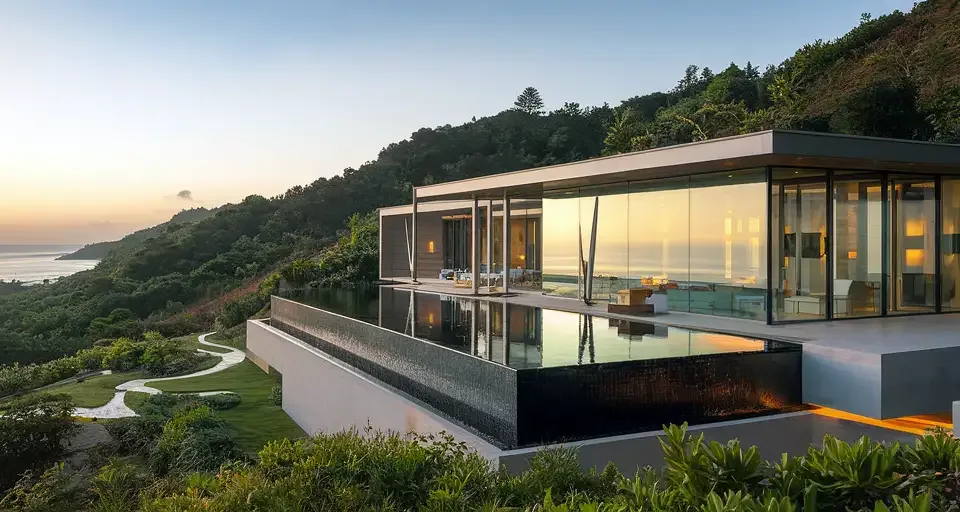
Using Accessories in Architecture and Why It Matters
How using accessories in architecture adds character and function, with tips for making small spaces feel larger and large rooms feel warmer.
Using accessories in architecture matters because, no matter how large, airy or impressive a space is, it can look very poor unless its interior is designed properly. On the other hand, you also have the chance to make a very narrow, impractical and unattractive space extremely comfortable and spacious with the accessories and furnishings you use. Architectural accessory designs can create beautiful, airy spaces, and you can judge whether they suit your taste within the trends of the time. In this case, a few small touches can turn a space into somewhere completely different.
The accessories you use in different areas can instantly change the feel of a space. When choosing office accessories or accessories for kids’ rooms, you should select objects according to the design and size of the room.
In architecture, accessories are one of the key elements used to give a building character and personality. They are the finishing touches of a building and reflect the style, atmosphere and feeling of its architecture.
Accessories can serve functional or decorative purposes in architectural design. For example, light fixtures are used to light a room, while decorative sculptures or wall art can add an artistic touch to a building.
Accessories can also be used to emphasize a building’s features and style. For example, metalwork, brick walls and other industrial details can be used to create an industrial style in a modern building. In this way, they make the style and character of the architecture more distinct.
The placement and arrangement of accessories also affect a building’s atmosphere and feel. For example, plants can give a room a natural feel and create a relaxing setting. Books or magazines arranged on a bookcase or shelf can give a room an air of culture and intellect.
In conclusion, accessories in architecture are important elements used to add personality, character and an aesthetic touch to a building. Whether used for function or decoration, they reflect the style, atmosphere and feeling of the architecture. Their placement and arrangement can define a building’s atmosphere and highlight its features.
Using Accessories in Architecture: Let the Space Adapt to You, Not the Other Way Around
When you move into a space, something there should appeal to you. There must be a detail you like and that feels right, so you can turn it into a place to live. Sometimes very different details or living conditions can also play a role in these decisions. In such cases, the design you create becomes very important. Using accessories in architecture is one of the key ways to make a space look different and feel more engaging.
Using Accessories in Small Spaces
When using accessories in architecture for a very small or narrow area, it is extremely important that the decorative accessories you use are functional. For example, say you want to use a figurine or another ornament to make the space fit your style, but you do not have enough room. In that case, the figurine or ornament you want to use must serve a purpose. It is very important that it either works as storage for keeping things inside or can be used for hanging things.
Using accessories in small spaces is especially important where storage is limited. These accessories can add visual interest and functionality to a building while also making small spaces look larger and more open.
First, because small spaces do not have much room for accessories, they should be chosen carefully. Accessories sized to suit the space increase functionality without making it look crowded.
Another important point is that accessories in small spaces should be functional. Practical accessories such as storage boxes, shelves, hooks and organizers help make the most of the available space.
Color choice also matters when using accessories in small spaces. Light colors make a room look larger and airier. Large mirrors hung on the walls also help a space look more spacious.
The placement and arrangement of accessories matter too. In small spaces, scattered accessories can make the room look smaller and narrower. Placing them thoughtfully keeps the space looking tidy and open.
In conclusion, using accessories in small spaces adds visual interest and functionality while making the space look larger and more open. The size, function and placement of accessories should be chosen and arranged carefully.
Using Accessories in Large Spaces
When using accessories in architecture, a large, spacious room may not always feel like home. Accessories can help such a space feel warmer and less empty. Sound will also echo in a large space, and accessories can help solve this acoustic problem. Figurines and accessories should come into play here. Using accessories is very important for dampening sound and filling large areas. In particular, when the accessories work in harmony with the architectural design, the space becomes more livable.
Contact us for quality visuals at fair prices.