3D Product Visualization for Sales: 7 Ways It Helps
Customers decide by the images they see. Learn 7 ways 3D product visualization drives sales, which industries benefit most and tips for better renders.

3D product visualization for sales has become a deciding factor in many industries today, from furniture to lighting and from kitchen appliances to accessories. Whenever customers cannot touch a product, they decide based on the image they see. A photorealistic 3D product image makes the buying decision easier because it can show the product from every angle, in every color option and inside a real living space. In this article, we explain the ways 3D product visualization increases sales and how brands can use these images.
What is 3D product visualization?
3D product visualization is the process of building a three-dimensional model of a product and turning it into photorealistic images through lighting, material and camera settings. Even if the product has not been manufactured yet, catalog-quality images can be produced from its technical drawings or prototype. We describe the service in detail in our article on product rendering services for e-commerce; here we focus on the real question: how does 3D visualization translate into sales?
How 3D product visualization for sales boosts results
1. It shows the product as if you could touch it
The biggest gap in online shopping is not being able to touch the product. High-resolution 3D product renderings show the texture of fabric, the shine of metal and the grain of wood up close. The better customers understand a product, the more confidently they make a buying decision.

2. It produces images for every color and option
Photographing ten different colors or fabric options of a product means ten separate samples and photo shoots. With a 3D model, all options are visualized with the same lighting and angle simply by changing the material. Customers see exactly the color they choose, which reduces false expectations and returns.
3. It shows the product inside a living space
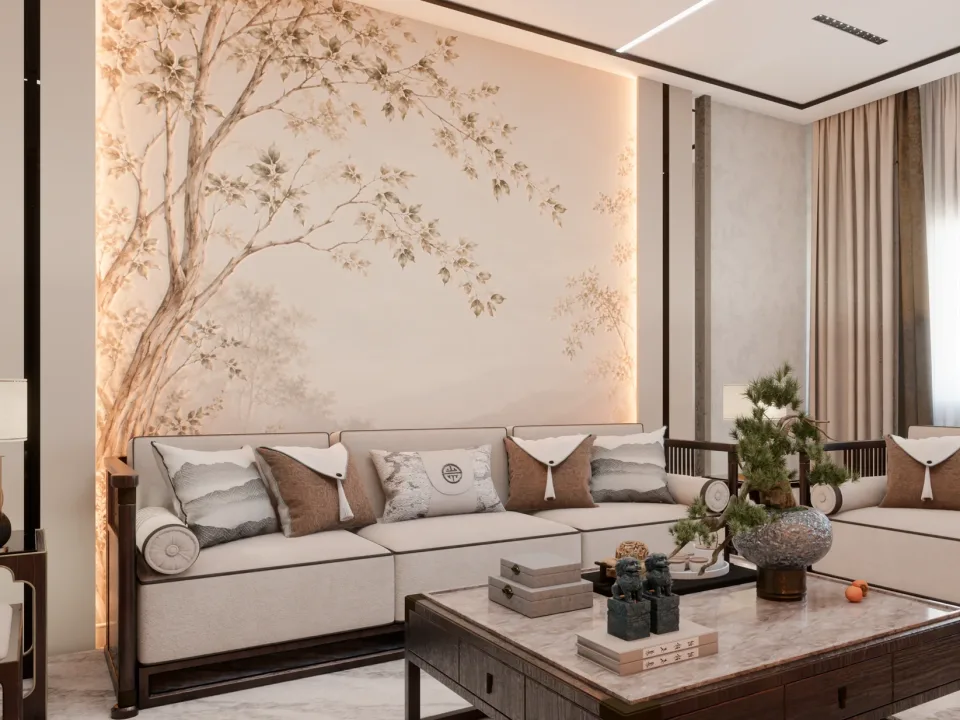
When a sofa or a lamp is shown alone on a white background, its size and impact are hard to grasp. When the same product is shown inside a realistic living room or kitchen, customers can imagine it in their own home. These lifestyle product renders are especially effective for catalogs and social media.

4. It starts sales before the product is made
There is no need to wait for production to finish before launching a new collection. 3D images prepared from technical drawings make it possible to start pre-order campaigns, dealer presentations and trade fair preparations months in advance.
5. It creates a consistent, professional brand look
Shoots done at different times with different photographers can vary in light and color. In 3D visualization, every product is prepared with the same lighting and camera language, so the catalog, website and marketplace store look consistent and professional.

6. It cuts costs and time
Instead of studio rental, sample production, shipping and reshoots, a 3D model built once produces new images whenever they are needed. New angles and scenes for a new campaign or season can be prepared from the same model.
7. It prepares you for interactive experiences
3D models are not only for still images; they can also form the basis of interactive experiences such as 360° product views, product configurators and augmented reality. This allows a brand to expand its digital sales channels.

Which industries benefit most from 3D product visualization?
- Furniture: Large products with many color and fabric options.
- Kitchen and bathroom: Modular systems, countertop and cabinet options.
- Lighting: Fixtures that need to be shown together with their light.
- Home appliances and small appliances: Devices shown inside a kitchen or living space.
- Jewelry and watches: Products where reflection and sparkle matter.
- Footwear and accessories: Multi-color collections and campaign visuals.

Tips for sales-focused 3D product images
- Prepare two types of images for each product: a product shot on a plain background and a lifestyle image.
- Show scale: Showing the product next to familiar objects makes its size easy to understand.
- Add close-up details: Details that convey quality, such as stitching, texture and joints, build trust.
- Stay true to reality: Color and material must match the real product; otherwise the risk of returns increases.
- Choose sizes by channel: Marketplaces, websites and social media require different aspect ratios and resolutions.
Frequently asked questions
Can 3D product rendering replace a photo shoot?
For many products, yes. 3D rendering is a more flexible solution especially for products with many color options, large products or products that have not been manufactured yet. Some brands use both methods together.
What is needed for a 3D model of a product?
Technical drawings, dimensions, material and color information, and photos taken from different angles are enough. If the product already has a 3D model, the process is even shorter. We explain the process in our article on getting product renders.
Can new images be created from the same model later?
Yes. Once the model is built, new colors, new angles and new scenes can be prepared quickly from the same model.

Do you want sales-ready 3D images for your products? Browse our work or send us your product details on WhatsApp, and we will get back to you with the scope and timeline.