Cafe and Restaurant Interior Design: What to Consider
Concept, layout, lighting, colors, furniture and back-of-house planning: what to consider in cafe and restaurant interior design.
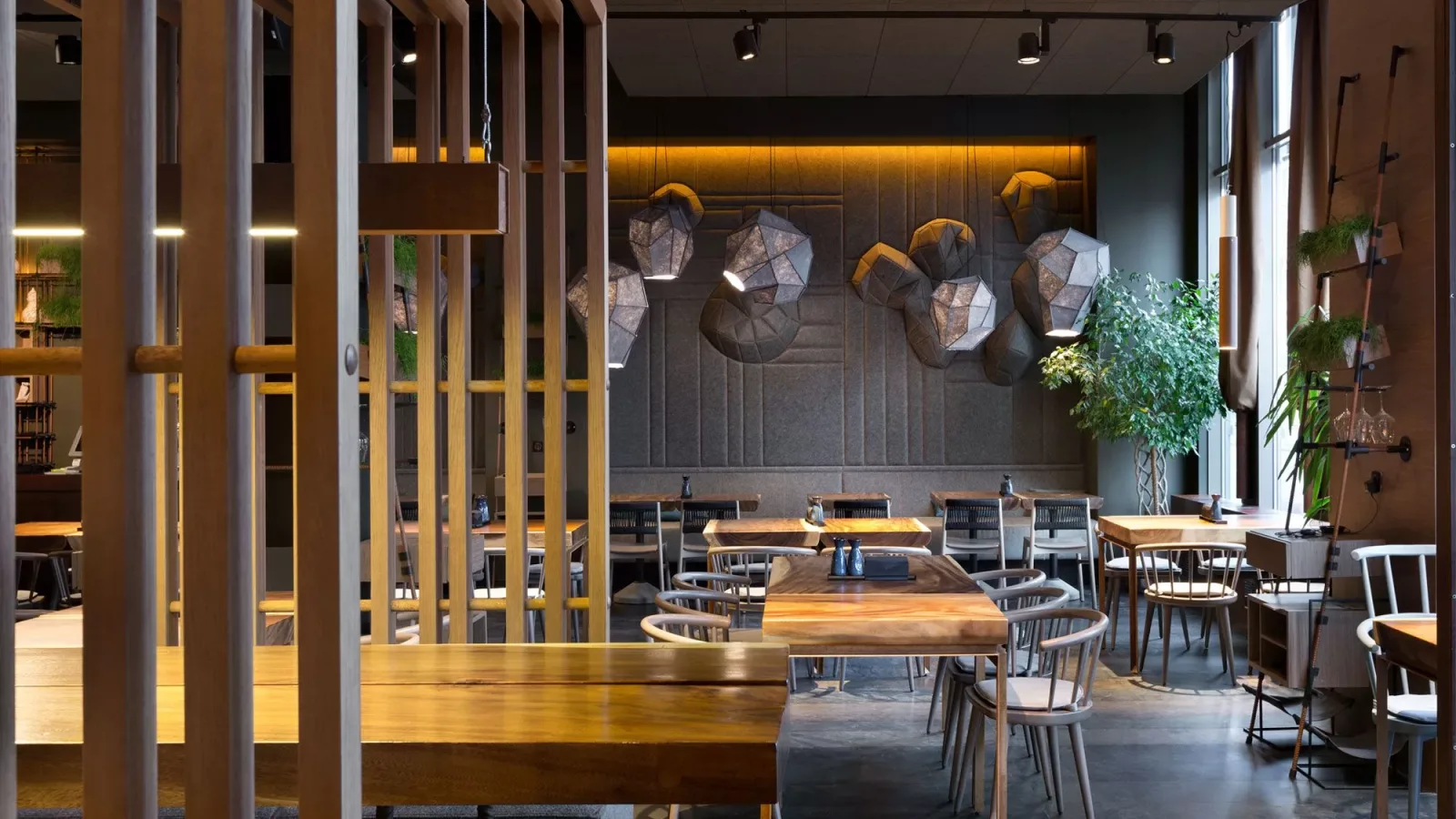
Restaurant design is a type of interior design created to match a concept. Because restaurants are social spaces, cafe and restaurant interior design should include elements that are both effective and functional for the target customers.
In general, the elements meant to stay in customers’ memory are brought to the fore together with the food and drinks on the menu. With the right interior designer, a restaurant can have a highly striking and well-judged design.
In line with the restaurant’s concept, factors such as color, light, décor, texture, scent, music, seating capacity, ventilation and heating, and the way they work together, should create a coherent whole. What coherence means here is that, for example, the decisions and choices about table and chair arrangements, colors, lighting and music will differ between a fast-food restaurant and a Chinese restaurant. That is why drawing on an architectural perspective for restaurant design tailored to your requests and needs is a very sound decision.
Cafe and Restaurant Interior Design: Boutique Cafes
Cafe décor is an extremely important detail. Every cafe’s décor is different, but a unique cafe design will always give you an advantage from the start. Boutique cafe décor in particular, if done well, results in a high-quality design that has a big impact on the customer base. That is why it is essential to get support from expert, professional interior designers when designing a cafe.
What to Consider in Restaurant Design
When it comes to restaurant design, there is more than one detail to keep in mind. The choice of furniture, colors and lighting inside is very important, so getting help from an experienced professional is the first important step toward a successful image. Beyond these, successful and well-considered solutions are needed for many questions, such as what the restaurant kitchen should be like, how large the produce washing and disinfection area should be, how much storage is needed, how the service area should work and where the restrooms should be located.
Restaurant design is important for giving customers an enjoyable dining experience. Here are some elements to consider in restaurant design:
- Space Layout: The interior layout of a restaurant is important for customer comfort and business efficiency. The right layout helps customers relax and improves the flow of service.
- Lighting: Restaurant lighting is important for letting customers see their food and for setting the atmosphere. Enough natural or artificial light should be used, with colors that suit the atmosphere.
- Colors: The colors used in restaurant design should be chosen to help customers relax and enjoy their meals more. Colors such as green, blue, white and brown suit a restaurant atmosphere especially well.
- Furniture: Restaurant furniture needs to be comfortable, stylish and practical. Chairs, tables, bar stools and other furniture should be chosen to give customers a comfortable experience.
- Décor: Restaurant décor should be creative and aesthetic enough to attract customers’ interest. A theme that suits the restaurant’s purpose should be chosen, and décor and accessories should follow that theme.
- Materials: The quality, hygiene and safety of restaurant materials matter to customers. Hygienic materials should be used to earn customers’ trust.
Restaurant design is important for giving customers an enjoyable dining experience. Elements such as the space layout, lighting, colors, furniture, décor and materials should all be considered.
To make the right decisions about restaurant design and work with the right interior designers, simply get in touch with Mimari 3d.
Related articles: What to Consider in Architectural Design · Beauty Salon Design · Dental Clinic Designs
Looking for photorealistic visuals for your project? Browse our architectural visualization projects or send us your drawings on WhatsApp.