Why Architectural Rendering Still Matters: Why Experience Counts
AI can create striking images in seconds, but sales and approvals need accurate ones. Here is why professional architectural rendering still matters.
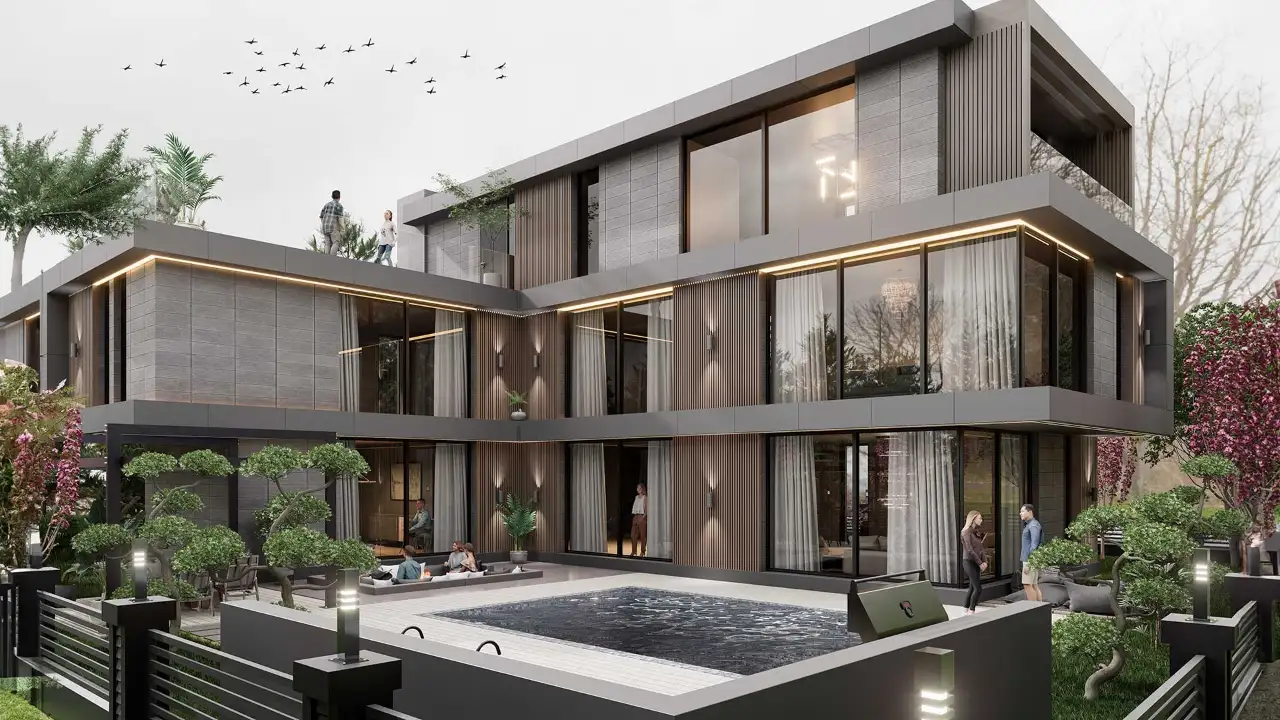
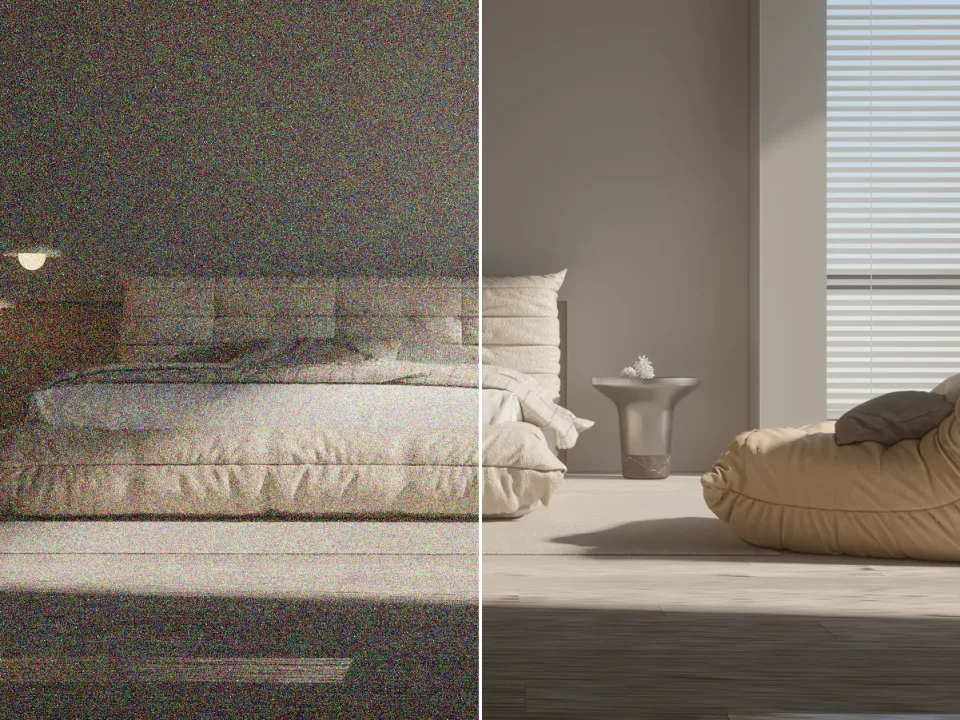
Why does architectural rendering still matter? It is a question we hear often now that AI can produce striking images in a few seconds. The answer is simple: the value of an architectural rendering lies not only in looking good, but in being accurate. An image whose dimensions match the project, whose materials are the ones that will actually be built, and whose light is true to reality forms the basis of sales, approval and investment decisions. In this article, we explain why architectural rendering still matters today, why professional architectural rendering remains essential, and what changes when the work is done by an experienced team.
The place of architectural rendering in the age of AI
AI tools are genuinely useful for generating quick ideas at the concept stage, and we use them in our own workflow too. But AI images often produce a picture that “looks like the project”, not the project itself. The number of windows can change, floor heights can shift, and the facade material can turn into something else. When a developer sells with that image, or an architect gets approval with it, the gap can lead to serious problems.
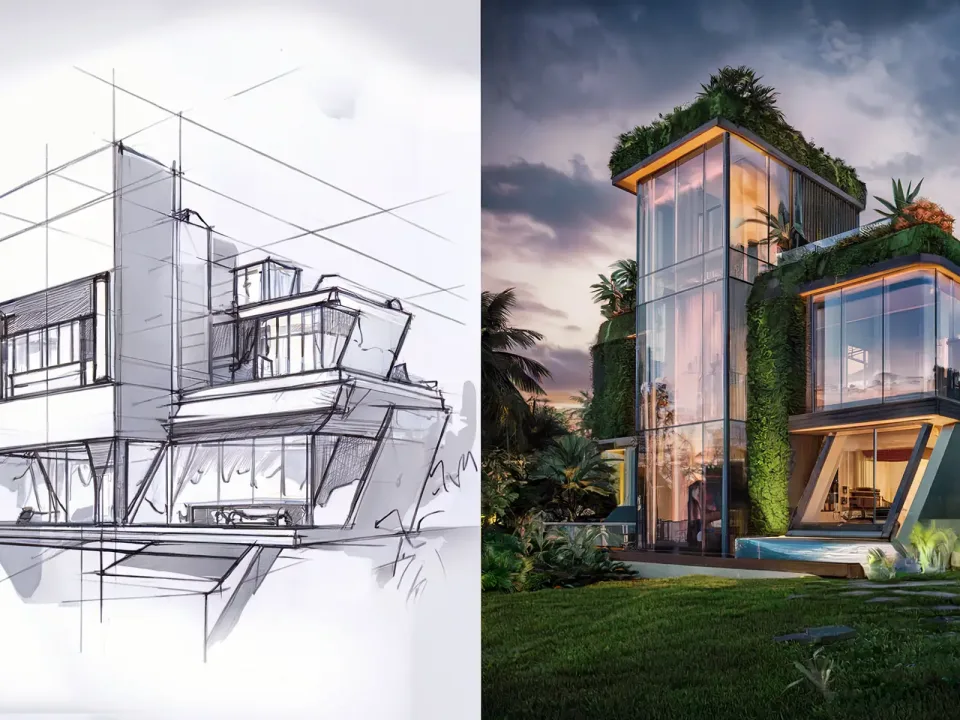
A professional architectural rendering, on the other hand, is based on an accurate 3D model built from the drawings. Every balcony, every window frame and every material in the image represents what will actually be built. We discuss how AI and architectural rendering can work together on our architectural rendering with AI page.
6 reasons why architectural rendering still matters
1. Accuracy: an image is a commitment
The image in a sales brochure is a promise to the buyer. A balcony with the wrong dimensions or a facade cladding that will never be installed leads to lost trust and disputes at handover. A correctly modeled rendering removes that risk from the start.
2. It speeds up decision-making
The architect, the client, the investor and the contractor all discuss the same image. Color, material and lighting decisions are made on screen, not during construction. This prevents costly changes on site.

3. It starts sales before construction
In off-plan sales, buyers do not see a building; all they see are images. Realistic, compelling renderings allow a sales campaign to start months before construction. We cover this topic in detail in our guide to 3D visualization for off-plan sales.
4. It catches design errors early
A 3D model reveals problems that go unnoticed in 2D drawings: a corridor that is too narrow, two materials that clash, a facade that gets too much afternoon sun. Catching these mistakes at the rendering stage is far cheaper than fixing them on site.
5. It builds brand and project identity
A project’s images are as much a part of its identity as its name, logo and sales office. A set of images prepared with a consistent language of light, color and camera sets the project apart from its competitors and makes it memorable.
6. It can be reused across every channel
The same 3D model can produce images for brochures, websites, listings, social media, construction site hoardings and animations. A well-built model keeps delivering value throughout the sales process.

What difference does an experienced rendering studio make?
Anyone can access rendering software today. But what makes an image both “photorealistic” and “accurate” is less the software and more the experience of the person using it. In architectural visualization, experience shows in the following areas:
- Reading drawings correctly: Interpreting the architectural project, sections and details, and filling in missing information by asking the right questions.
- Managing light: Setting the time of day, the sun direction and the artificial lighting to show the project at its best.
- Knowing materials: Understanding how composite panels, natural stone or wood really look, and reflecting that in the image.
- Camera language: Choosing frames that describe the space without exaggeration, with straight verticals and at eye level.
- Understanding sales and marketing: Knowing which image suits a brochure cover and which suits a website.
- On-time delivery: Planning the revision process and keeping to the project schedule.
We share our experience in architectural visualization and how this journey began on our 3D visualization expert: learn from my experience page.
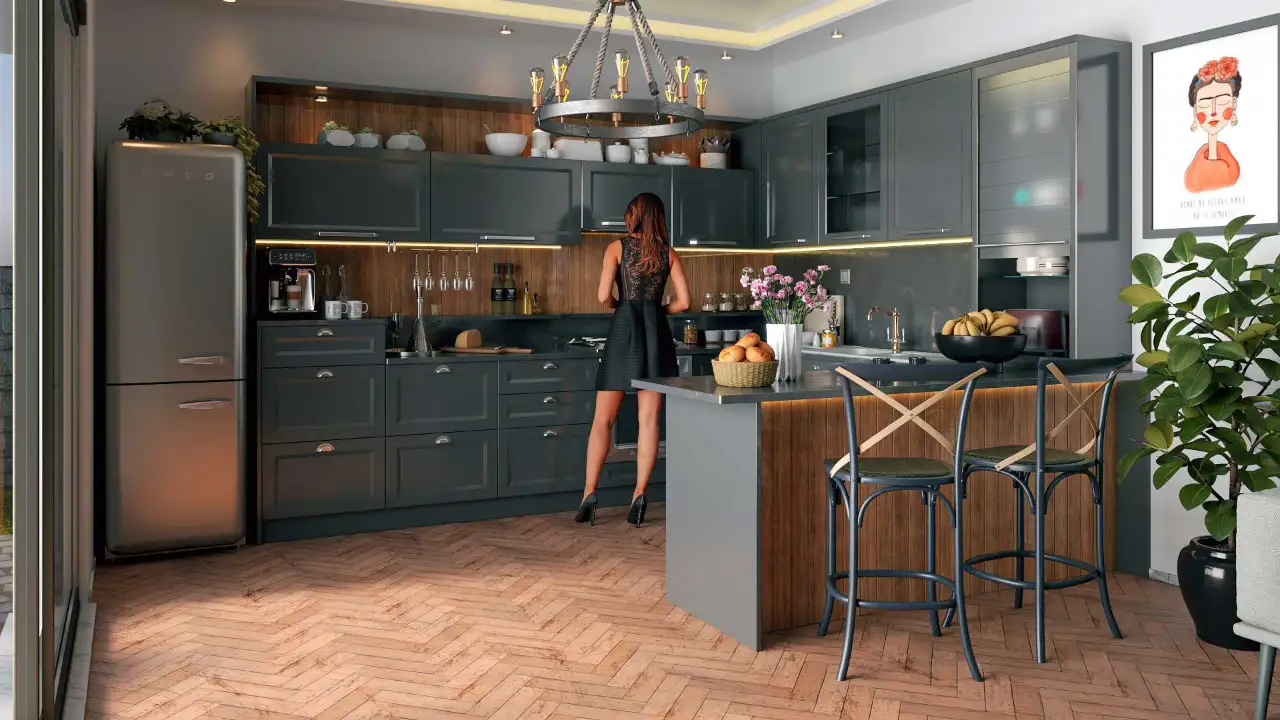
AI vs professional rendering: the key differences
- Source: A professional rendering is based on a 3D model built from the project drawings; an AI image is based on a description or a reference.
- Consistency: The same model can be rendered consistently from different angles and at different times of day; AI may produce a slightly different building each time.
- Revisions: When a material or color changes, only that detail is updated.
- Safe to use: An image used in sales and marketing that matches the project prevents disputes after the sale.
Frequently asked questions
Will AI replace architectural rendering?
AI is a powerful assistant at the concept and ideation stage, and it speeds up the workflow. However, images used for sales, approval and investment decisions need to match the project exactly. That is why professional rendering based on an accurate model continues to matter.
How can I tell if a rendering team is experienced?
Look at the consistency of the images in their portfolio, the quality of light and materials, examples across different project types, and how clearly they explain the delivery process. A team that reviews your drawings and fills in the gaps with the right questions will save you time in the end.
What should I prepare for a professional rendering?
Architectural drawings, a material list and reference images are a good start. For a detailed checklist, see our article on the files needed for a rendering project.
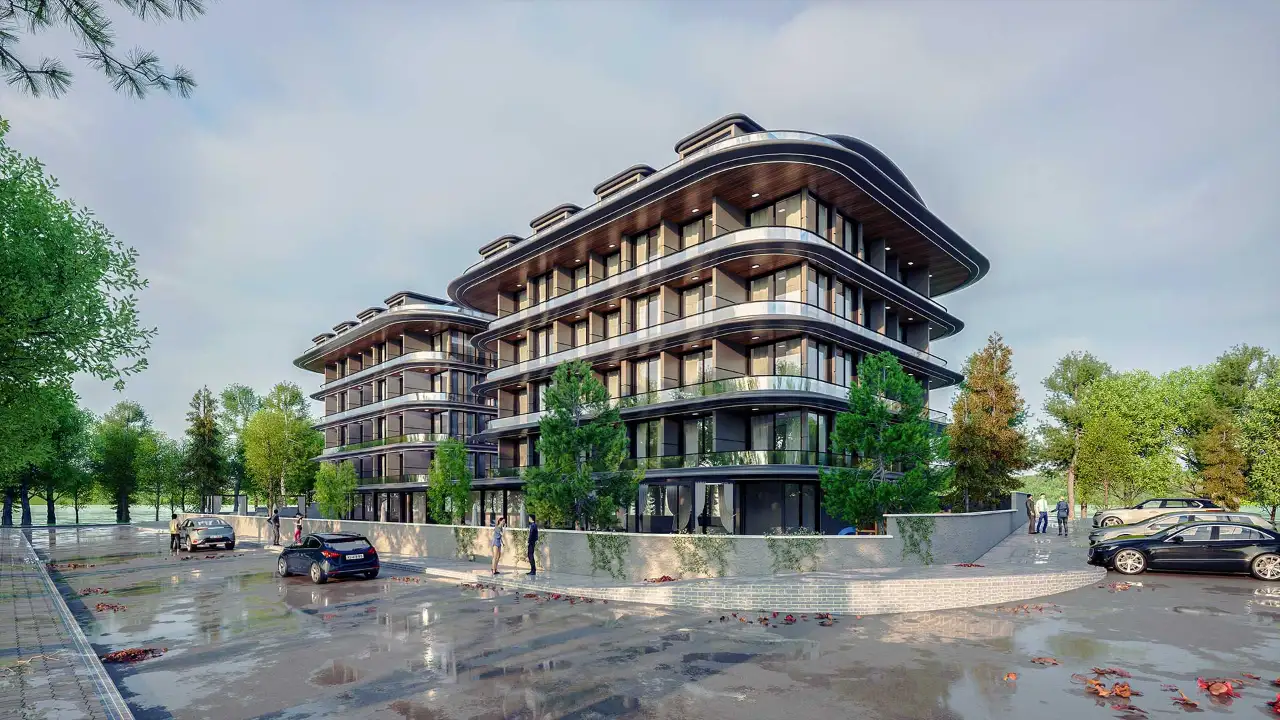
Would you like to visualize your project with an experienced team? Browse our architectural rendering work or send us your drawings on WhatsApp, and we will get back to you with the scope and timeline.