What Are Architectural Services? Phases and Scope Explained
A clear overview of the types of architectural services, from preliminary planning and permits to construction supervision, consulting and restoration.
Architectural services are based on a process with a very broad scope. Today, architects play vital roles in shaping the built environment and public spaces of developed countries. Taking a broad view, we can explain the main types of architectural services as follows.

What Are the Types of Architectural Services?
Establishing the basics: In architectural services, this means clarifying the brief, including usage requirements, construction quality, cost budget, deadlines and advice on the full scope of services needed.
Preliminary planning: Analysis of the basics, coordination of goals, development of a planning concept, exploration of alternative solutions, draft plans with explanatory notes, preliminary meetings with authorities and cost estimates.
Design planning: Development of the final planning concept with a graphic presentation of the overall design, a description of the project with explanations, integration of input from other parties involved in the planning, and cost calculation.
Architectural services: approval planning: Preparing and submitting the documents needed for required approvals and permits, and for applications for exceptions and exemptions.
Construction documentation: Working through every result until the solution is ready to build, detail and construction drawings at scales from 1:50 to 1:1, and a graphic presentation with all the details needed by tradespeople and construction companies.
Preparing for contract award: Determining and compiling quantities as the basis for preparing service descriptions and specifications, and coordinating the service descriptions.
Participation in contract award: Obtaining, checking and evaluating bids, negotiating with bidders and preparing the corresponding cost estimate. Cost control, by comparing the cost estimate with the cost calculation, is also part of this stage.
Construction supervision: Supervising construction in line with the building permit, the construction documents and the service descriptions, monitoring the schedule, determining costs accordingly, accepting construction work, supervising the correction of defects found, and controlling costs by checking the invoicing of services.
Property maintenance and documentation: Inspecting the property to identify defects before the limitation period expires, monitoring the correction of defects, and taking part in and following up the release of security deposits.

Architectural Services in Detail
The main architectural services are:
-
- Design and work planning
- Tendering and costing
- Construction management
- Structural engineering
- Sound and thermal insulation verification
- Project development – 3D Project
- Valuation and damage reports
- Project management
- Review of building physics verifications
- Energy advice
- Checking construction work for sound and thermal insulation
- Building surveys and digitization
- Architectural services cover a range of services offered to the client throughout the design, planning and construction of buildings and structures. These include:
- Design services: An architect’s main task is designing buildings. This service covers details such as building planning based on the client’s needs, material selection, lighting, structural systems, heating and ventilation systems, electrical installations and acoustics.
- Project management services: Architects offer project management services to their clients. This includes managing the project budget and schedule, coordinating contractors and other project stakeholders, supervising the construction process and obtaining the relevant permits.
- Consulting services: Architects also advise their clients on building material selection, building safety, energy savings and sustainability.
- Restoration and rehabilitation services: Architects provide services for the restoration and rehabilitation of historic buildings. These cover building analysis, restoration planning, restoration techniques and material selection.
- Interior architecture services: Architects also offer services in interior design, furniture selection, decoration and color schemes.
Architectural services span many areas, from the design of buildings and structures to their construction. They can be customized to clients’ needs and offered as different service packages.
For your architectural renders, you can reach us through our contact page.
What to Check in the Contract for Architectural Services
On paper, architectural services look like a wide menu, but for the client the real question is simple: which phases am I actually buying for this project? The effort behind preliminary planning and the effort behind full construction documents are very different, and many disputes start because the scope was never written down. When you review a proposal, first check which phases are included and which drawings and documents will be delivered at the end of each one.
Revisions are the second critical point. A few rounds of changes during the draft stage are normal, but if an approved plan is reworked from scratch during construction documentation, that is new work. It is also worth agreeing early on whether structural, mechanical and electrical design will be coordinated by the architect or handled under separate contracts. If you want site supervision, the frequency of visits and the reporting format should be spelled out. A contract signed before these details are clear tends to leave both sides stuck halfway through the job. The format of the deliverables should be written down as well: will you receive only printed sheets, or will the editable drawing and model files also be handed over?
Where Visualization Fits in Architectural Services
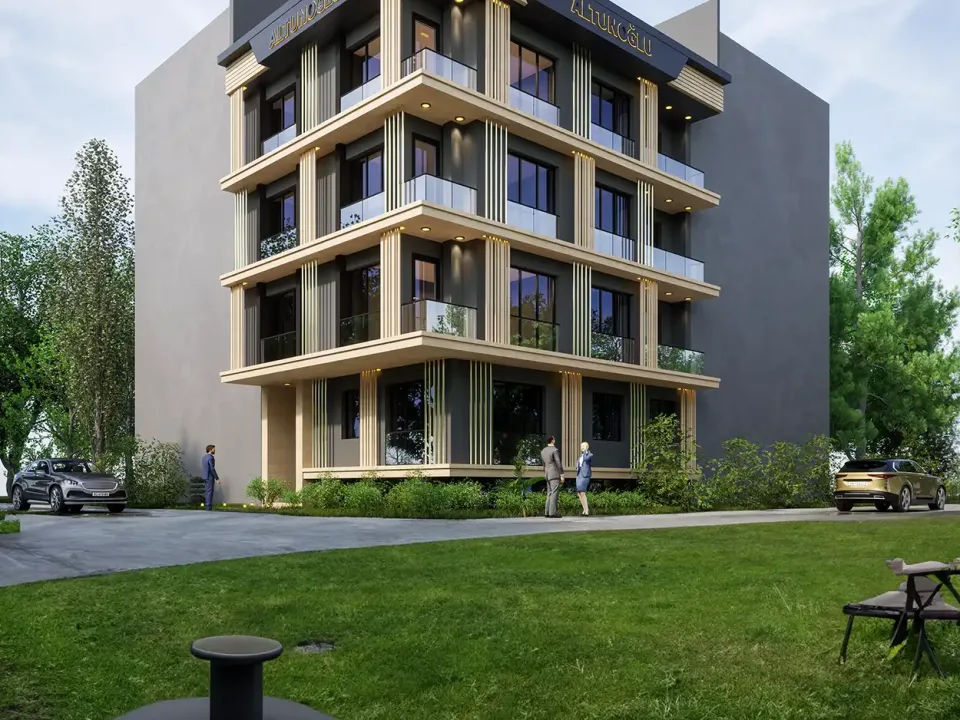
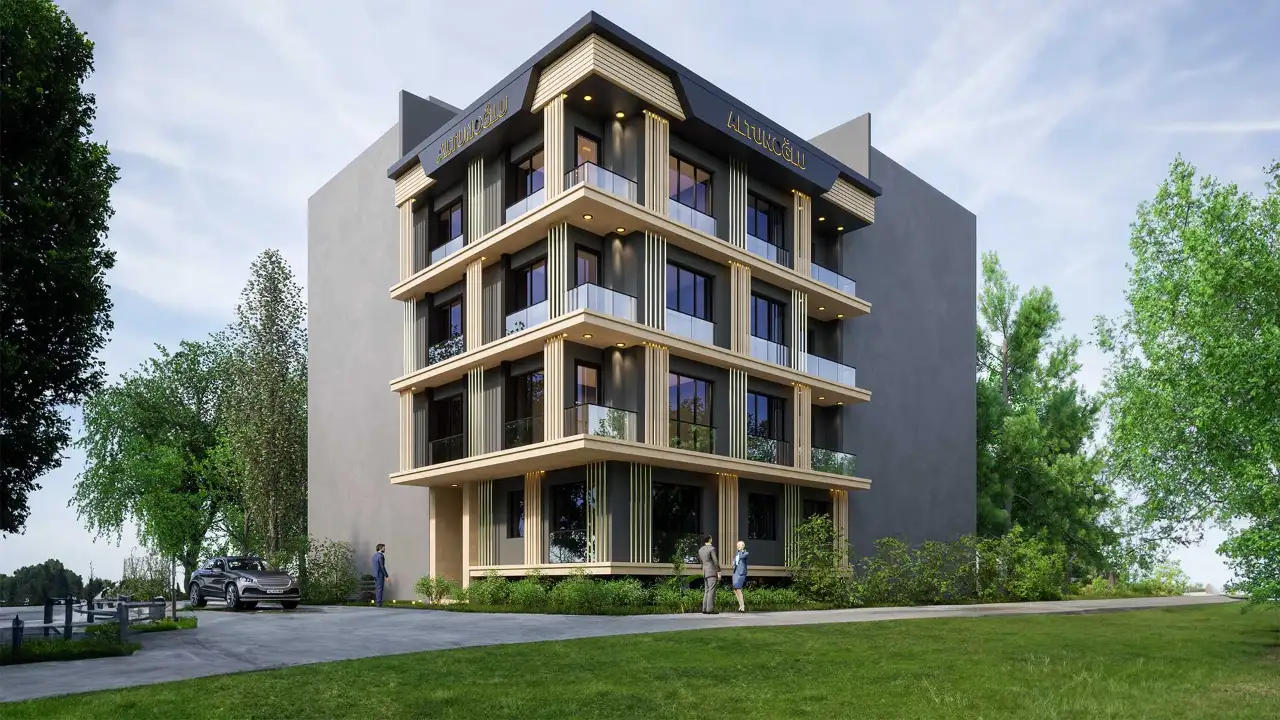
In our experience, visualization is often seen as something that only belongs to the sales stage. In fact, it does the most good during preliminary planning and the draft stage. Many clients struggle to read plans; a few images from the right angles can settle decisions about facade proportions, materials or window sizes within minutes of a meeting. That reduces the chance of backtracking once construction documents are underway.
During the approval stage, images help explain to authorities how the project relates to its surroundings. If units will be sold before completion, the architectural rendering workflow usually runs alongside the construction documents, so the images show details that will actually be built. Setting up the model properly from the start means the same file can serve both the drawings and the architectural visualization, and nobody has to do the work twice.
Frequently asked questions
What is the difference between an architect and an interior architect?
An architect is responsible for the building as a whole: a plan layout that works with the structural system, the facade and the building’s relationship with its site. An interior architect works inside an existing or planned building, focusing on spatial layout, materials, furniture and lighting. On larger projects both disciplines work together and coordinate their decisions in the same model.
How are fees for architectural services determined?
Fees depend on the size, use and complexity of the building and on which phases the architect takes on. A client who only needs a preliminary design will not pay the same as one who also wants construction documents and site supervision. Asking for the scope to be written out phase by phase makes it much easier to compare proposals fairly.
Can I hire an architect just for the drawings?
Yes, many architects offer services for specific phases only. For example, one office may prepare the permit drawings while interior design or visualization comes from a separate team. When work is split like this, file formats, drawing standards and the limits of each party’s responsibility should be agreed at the very beginning.
Related articles: Rendering Companies: What They Offer and How to Choose · Artificial Intelligence and the Construction Industry · Conservation and Restoration of Architectural Heritage