Key Criteria for Good Architectural Design
What architectural design is, what an architect needs to know, and the six criteria that make a building functional, attractive and sustainable.

Architectural design is the process of designing the buildings, spaces, objects and roads we encounter in everyday life, and the living and non-living things on those roads, according to certain rules or an understanding of aesthetics and functionality. Architects and people from many other professions can play an active role in it, and knowing the key criteria for good architectural design helps everyone involved. The architectural design process generally moves forward through feedback. Every architectural design has its own course of development and problem-solving. It progresses through effective problem-solving and active decision-making based on solving problems. Architectural design can be used when creating a furniture or building project, and also for the arrangement and placement of objects.
What Is Architectural Design? Key Criteria for Good Architectural Design
Architectural design is the name given to all design activities for spaces, objects, buildings and outdoor environments that focus on functionality and aesthetics. Technical and ergonomic functionality make the designed element more useful and pleasant. This is also very helpful for creating personalized designs. Technical functionality means that the resulting product works. Ergonomic functionality can be summarized as making the user’s work area, and their interaction with objects in it, as efficient and healthy as possible. With this in mind, the intended use of the space should be considered and users should be involved in the design process. This increases the functionality of the environment and produces spaces fit for their purpose.
Criteria for Success in Architectural Design
Architectural design brings many factors together, and using them effectively is essential for success. A good, successful architectural design can be created according to the following criteria:
- The architect should have sufficient knowledge of urban planning, structure, ventilation, heating, air conditioning, lighting, plumbing, building physics and landscape.
- The architect should be capable of managing and directing the collaboration of the technical team.
- Work must comply with technical, aesthetic, functional and engineering rules.
- The regulations that affect the design should be studied thoroughly.
- Environmental and regional factors, geographical conditions and topographic information about the site should be evaluated as a whole, and planning should be done accordingly.
The most important criteria for architectural design include:
- Functionality: One of the most important criteria is that the building is functional. The spaces must be designed correctly with the building’s intended uses in mind.
- Aesthetics: In architecture, aesthetics means the building is visually appealing. It relates to the forms, materials, colors and other elements considered in the design.
- Comfort: Another important criterion is that the building is comfortable. Proper heating and ventilation systems inside and outside the building keep users comfortable.
- Durability: The need for buildings to be long-lasting and safe makes durability an important criterion. Buildings must remain safe to use over time without deteriorating or collapsing.
- Economy: Another important criterion is economy. Factors such as construction, operation and maintenance, and the choice of materials and technology, help make buildings economically sustainable.
- Environmental awareness: In recent years, environmental awareness has become an important design criterion. Constructing and operating buildings can have negative effects on the environment, so a building should be environmentally sensitive, sustainable and not harmful to its surroundings.
All of these criteria should be considered in building design. Taken together, functionality, aesthetics, comfort, durability, economy and environmental awareness make buildings healthy, safe, sustainable and attractive.
Contact us for your architectural design projects.
How to decide when architectural design criteria conflict
On paper, functionality, aesthetics, comfort, durability, economy and environmental awareness sit neatly side by side. In a real project they often pull against each other. A large glass facade brings the view inside, but it also means overheating in summer and heat loss in winter. A cheaper material eases the budget, yet it can leave the owner with maintenance costs for years.
That is why the work should start with a clear order of priorities. In a school building, safety and easy circulation come first; in a boutique hotel, atmosphere and guest experience lead. When we start a project, we sit down with the client and write two short lists: “non-negotiables” and “open to compromise”. Later, when a decision becomes contentious, that list acts as the referee and the discussion does not turn into a clash of personal taste.
The second step is to turn each criterion into a question you can actually answer. Instead of saying “it should be comfortable”, asking “does the living room get afternoon sun, and does it need shading?” creates a problem that can be solved at the drawing board.
Testing design criteria with visualization before construction
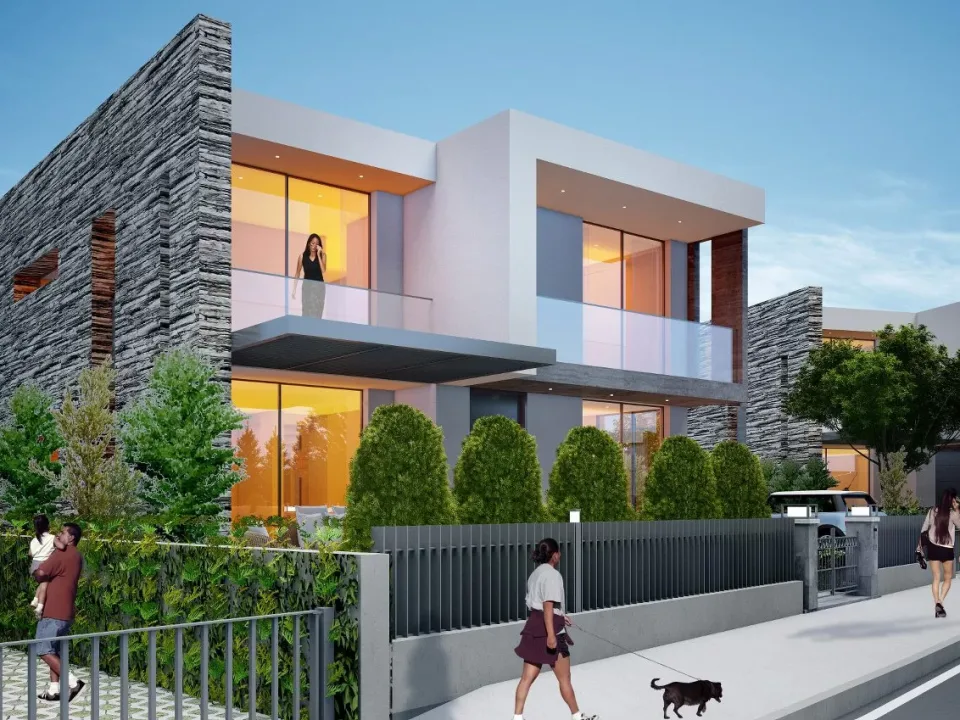
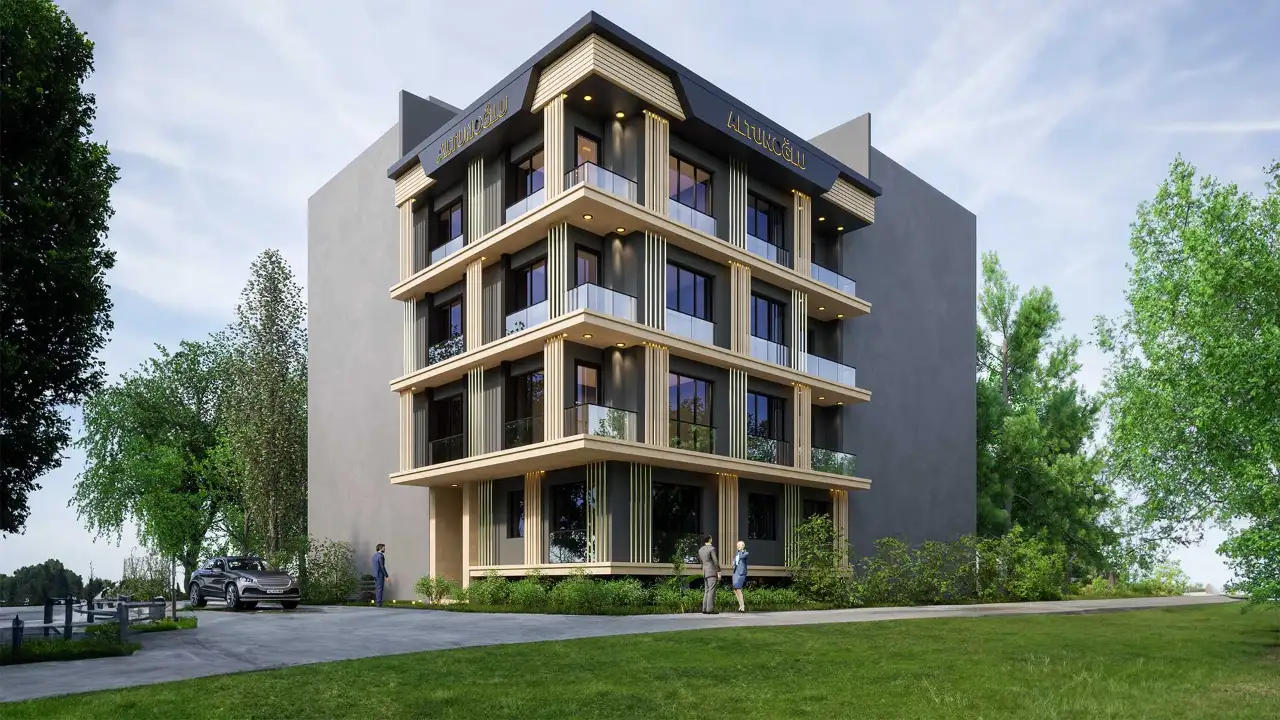
Many design criteria slip through when a building is judged only by its plans. A plan does not fully tell you how spacious a room will feel or how dark a corridor will be. This is where architectural visualization helps: a few eye-level camera views, the sun at different times of day and realistic material surfaces make decisions about aesthetics and comfort tangible.
One thing we do often is show the same space side by side with two different materials or window layouts. When the client compares the two images, they see for themselves which criterion carries more weight. We explain this effect in more detail in our article on how visualization improves architectural design.
The most common mistake is using visualization only for the final presentation. A render produced after the decisions have been made tends to make a mistake look attractive rather than reveal it. A check done early with a rough massing model is cheaper and teaches you far more.
Frequently asked questions
What is the most important criterion in architectural design?
There is no single most important criterion; the priority depends on the building type and its users. In a hospital, functionality and hygiene lead, while in an exhibition space aesthetics and light may matter most. The right approach is to rank the criteria at the start of the project and use that ranking whenever conflicts arise.
What are the stages of the architectural design process?
The process usually moves through needs analysis, concept and sketch design, preliminary design, final design and construction documents. At each stage the drawings become more detailed and are corrected through feedback. Visualization is most useful for the checks carried out during the concept and preliminary design stages, because changes are still cheap at that point.
How can design criteria be tested with renders?
Criteria are tested by comparing different scenarios on a 3D model built to real dimensions. Changing the sun angle checks daylight and shadow, eye-level cameras check how the space feels, and material variations check the aesthetics. A rough model is enough for these checks; photorealistic quality only becomes necessary once the decisions are settled.